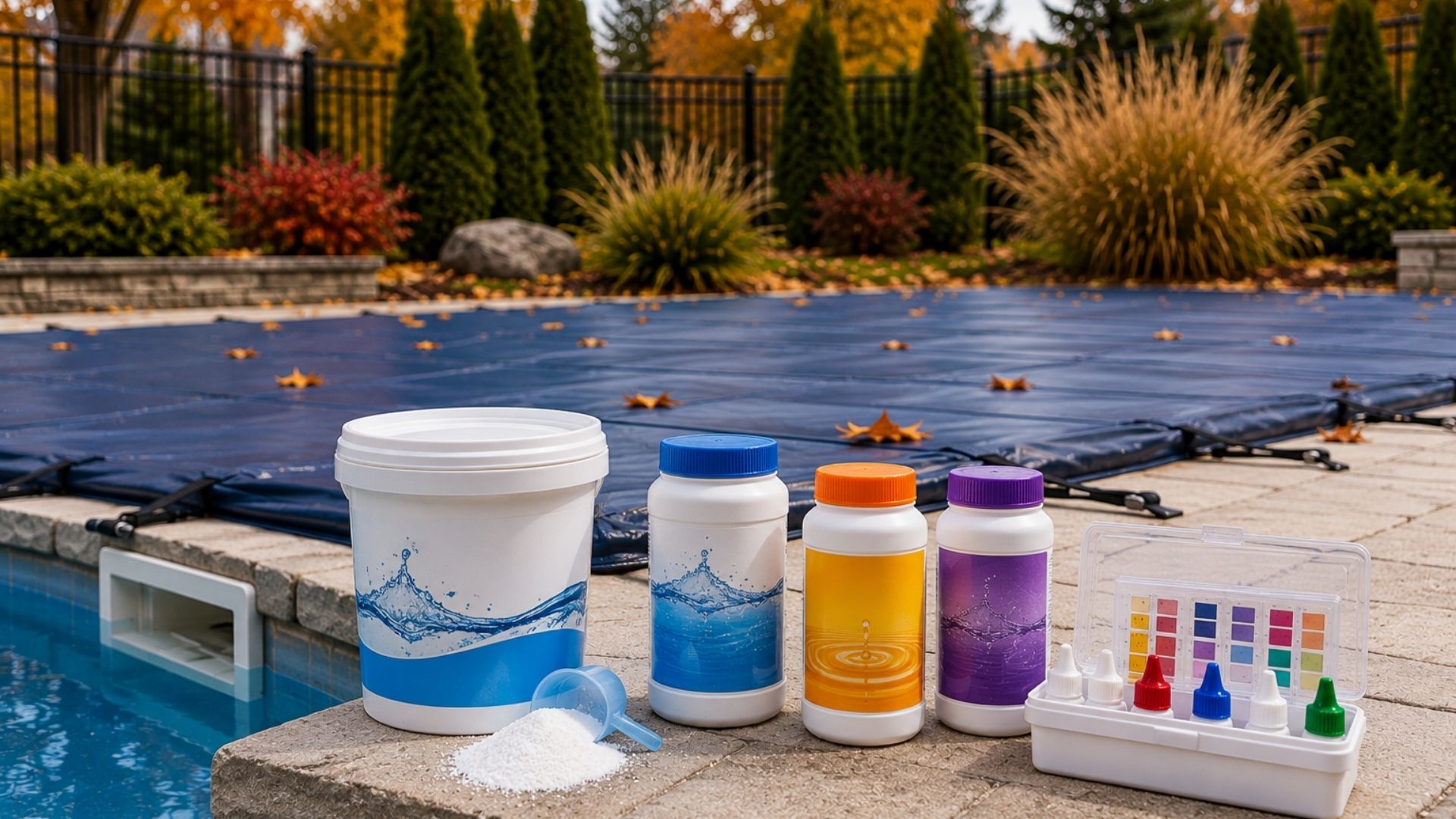
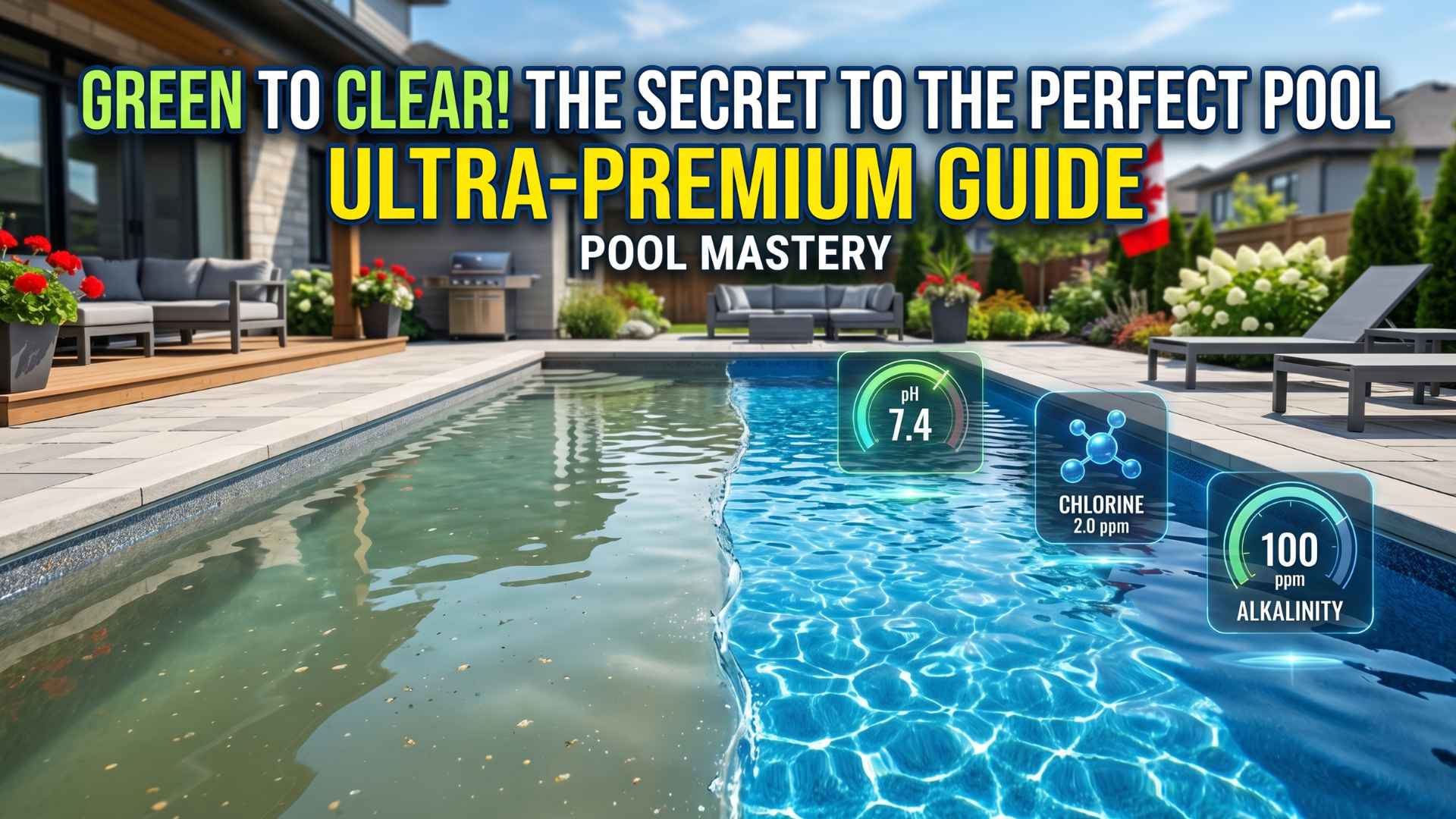
The ideal pool water chemistry for Ottawa summers requires maintaining a pH level of 7.4 to 7.6, free chlorine between 1.0 and 3.0 ppm, and total alkalinity between 80 and 120 ppm. Balancing these key parameters keeps your water sanitised, protects your pool equipment, and ensures swimmer comfort during hot summer days.

Owning a pool in Ottawa is a great way to enjoy summer, but it requires consistent upkeep. Understanding pool water chemistry is the foundation of proper maintenance. Whether dealing with humidity, heavy rainfall, or busy pool parties, keeping your chemical levels balanced is crucial to prevent algae, scale, and cloudy water.
Understanding Pool Water Chemistry
Why Chemical Balance Matters
Maintaining proper pool chemical balance in Ottawa directly impacts swimmer health and equipment lifespan. When pool water chemistry parameters fluctuate, it causes skin discomfort, burning eyes, and rapid equipment degradation. Balanced water ensures sanitizers destroy bacteria efficiently.
Comfort and Equipment Protection
Unbalanced pool water chemistry values cause skin irritation, red eyes, and corroded equipment. According to Public Health Ontario, consistent disinfectant levels prevent infections from pathogens in under-treated water. High pH causes calcium scaling. Balancing these elements protects your family and pool.
💡 Quick Test Tip
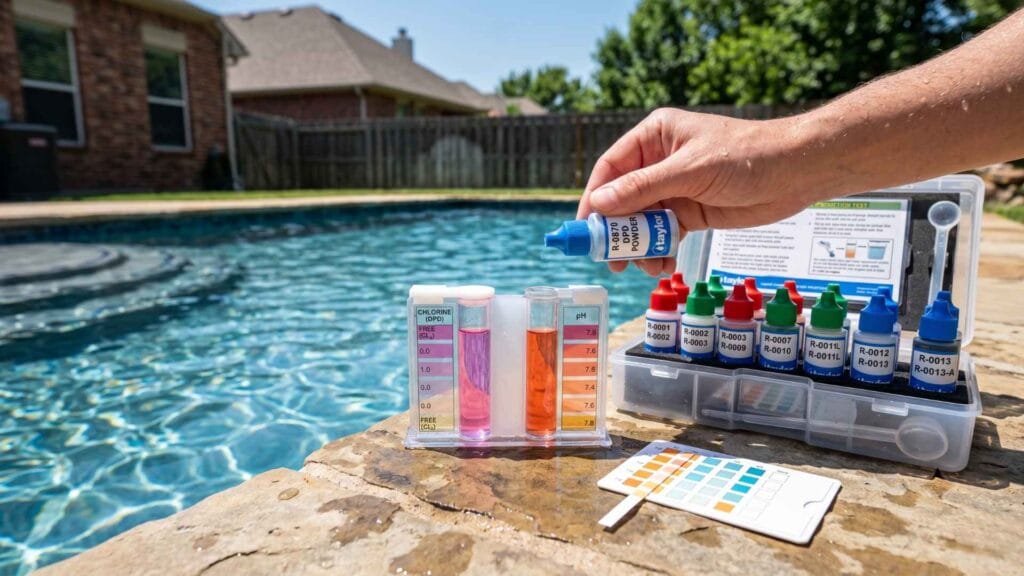
Always collect your water sample from elbow-depth at the centre of the pool, not near return jets or the surface. This gives you a far more accurate reading than sampling from the edges.
Ideal Pool pH and Chlorine Levels
Essential Parameters and Their Relationship
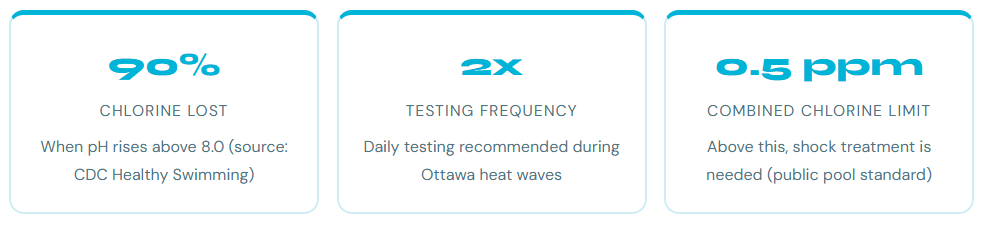
To keep your pool safe, monitor the ideal pool pH and chlorine levels. The pH scale measures acidity, while chlorine sanitizer kills bacteria. Keeping these aligned is key to effective pool water maintenance. If pH climbs above 7.8, chlorine loses over half of its sanitizing power, whereas pH below 7.2 corrodes equipment.
⚠ The pH & Chlorine Trap
Many Ottawa pool owners add more chlorine when the water looks dull or smells off, but the real culprit is often a pH that has crept above 7.8. At that level, up to 90% of your chlorine becomes inactive. Fix the pH first, then reassess chlorine before adding more.
| Parameter | Recommended Range | Status if Out of Range |
| pH | 7.4 to 7.6 | Safe Sweet Spot |
| Free Chlorine | 1.0 to 3.0 ppm | Test 2-3x Weekly |
| Total Alkalinity | 80 to 120 ppm | pH Bounce Risk if Low |
| Calcium Hardness | 200 to 400 ppm | Etching or Scale if Off |
How to Balance Pool Water Chemistry
Step-by-Step Chemical Adjustments
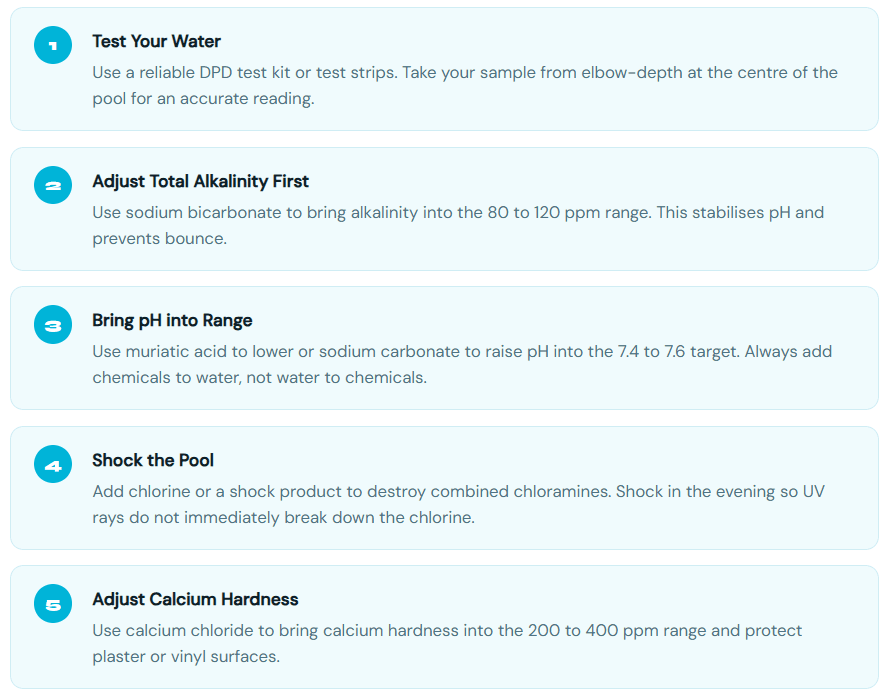
Learning how to balance pool water chemistry is straightforward when you follow the right order. Getting the sequence wrong can cause treatments to fight each other and waste chemicals.
Never Mix Pool Chemicals
Mixing different pool chemicals together, even accidentally, can trigger violent reactions and toxic gas release. Always add each chemical separately, with the pump running, and wait at least 30 minutes between additions. Keep original containers and never combine leftovers.
Pool Alkalinity and Calcium Hardness
Stabilizing pH and Protecting Plaster
Understanding pool alkalinity and calcium hardness is crucial. Total alkalinity acts as a pH buffer, preventing sudden shifts like pH bounce. Calcium hardness measures dissolved calcium; if too low, water corrodes plaster surfaces (etching), but if too high, it causes scale deposits. Keeping these parameters balanced protects pool walls and equipment.
💡 Alkalinity Tip for Ottawa Pools
Ottawa tap water tends to be slightly alkaline. When refilling after rain dilution, account for this by testing your tap water’s alkalinity beforehand. This avoids overcorrecting and saves you from adding unnecessary chemicals.
Ottawa-Specific Summer Pool Challenges
Weather Extremes in Ottawa
Managing an Ottawa pool presents challenges like intense heat, storms, and pollen. Hot days accelerate chlorine evaporation, promoting algae. Rainfall lowers pH and alkalinity while introducing debris. Adjusting chemical doses and maintaining proper cyanuric acid stabilizer levels during weather fluctuations is essential to maintain proper pool water chemistry Ottawa pools need.
⚠ After Heavy Ottawa Rainfall
A significant rainstorm can drop your pool’s pH and alkalinity noticeably within hours. Test within 24 hours of any major storm and expect to add both sodium bicarbonate and possibly pH increaser before the next swim. Do not assume the water is fine just because it looks clear.
Common Pool Water Problems in Summer
Identification and Solutions
During summer, you may encounter common pool water problems in summer like algae or cloudiness. Use this comparison table to identify and resolve these issues:
| Problem | Likely Cause | Solution |
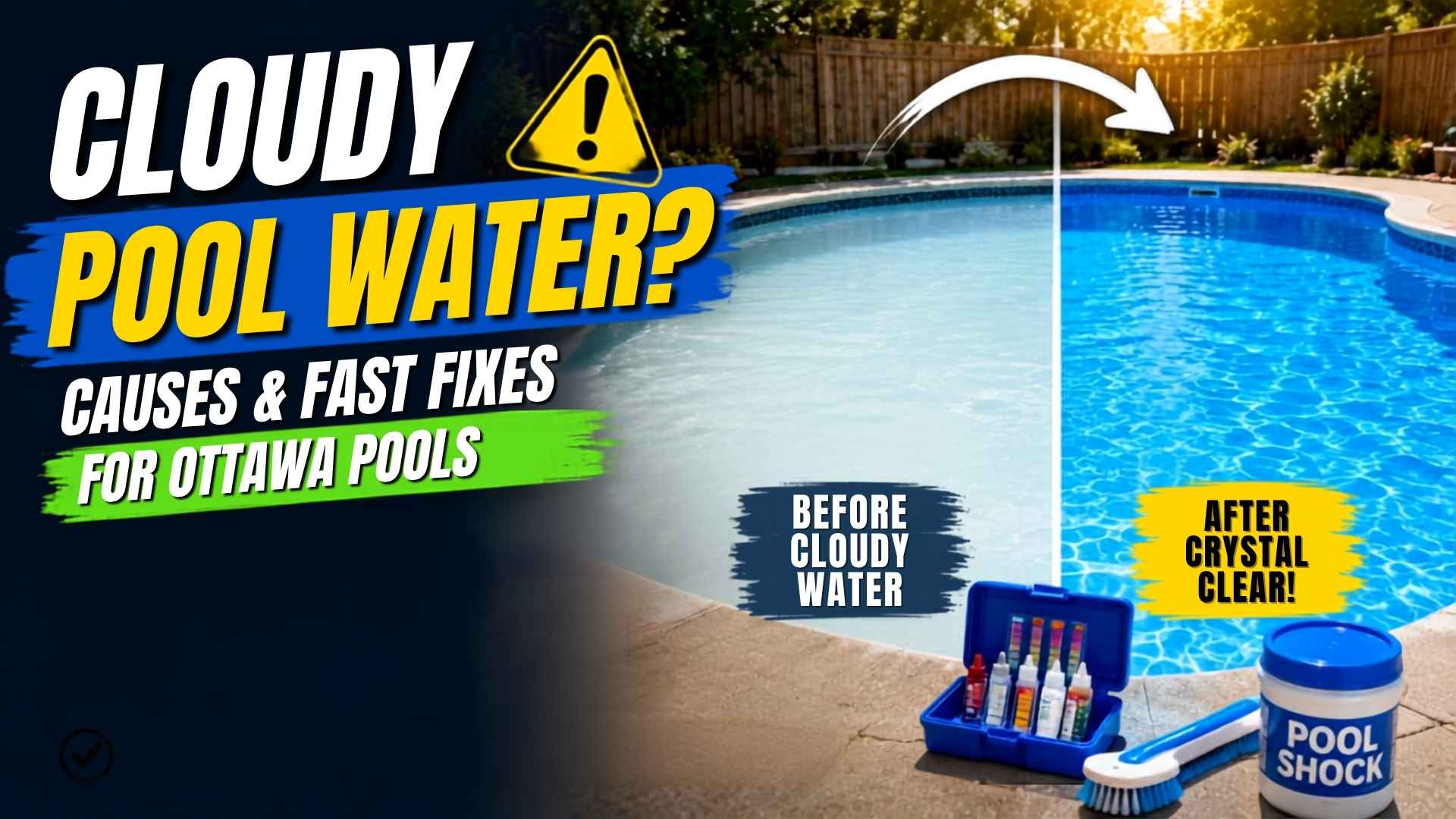
| Cloudy Water | Low chlorine or poor filtration | Shock pool and run filter for 24–48 hrs |
| Algae Growth | Low chlorine and high pH | Brush walls, shock, and use algaecide |
| Chlorine Smell | High chloramines (combined chlorine) | Shock pool to burn off chloramines |
| Skin / Eye Irritation | Unbalanced pH or high chloramines | Adjust pH to 7.4–7.6 and shock |
| Scaling / Staining | High calcium or metals in water | Lower calcium hardness or use sequestrant |
💡 The Chlorine Smell Myth
A strong chlorine smell is not a sign of too much chlorine. It is actually a sign of too little free chlorine combined with high chloramine levels. Shocking the pool breaks down those combined chloramines and restores effective sanitation.
Weekly Pool Water Testing Checklist
Staying on Top of Maintenance
Consistency is everything with pool chemistry. Use this checklist every week to stay ahead of issues before they become expensive problems.
- Test pH (7.4 to 7.6).
- Test free chlorine (1.0 to 3.0 ppm).
- Check total alkalinity (80 to 120 ppm).
- Check calcium hardness.
- Inspect clarity daily.
- Clean skimmer and filter.
- Record results to track trends.
💡 Log Your Readings
Keep a simple notepad or phone note with the date, readings, and what you added. After a few weeks you will start to see patterns, for example your pH typically rises after heavy use or your chlorine drops fast on hot sunny days. That insight saves you from chasing problems reactively.
When to Seek Expert Help
While routine testing is manageable, professional diagnostics prevent complex issues. For expert care, schedule professional Ottawa Valley Pools Pool Cleaning and Maintenance Services in Ottawa to keep your system in peak condition. To learn the basics, refer to the Ottawa Valley Pools abc of pool water chemistry guide.
Frequently Asked Questions
How often should I test pool water chemistry Ottawa homeowners maintain?
Test pH and chlorine two to three times weekly, and daily during heat waves or rain.
What is the ideal pool pH level for Ottawa pools?
The ideal pH is 7.4 to 7.6, preventing eye irritation and ensuring chlorine remains highly active.
Why does my pool smell strongly of chlorine?
A strong smell indicates high chloramines. Shocking the pool breaks these down and restores free chlorine.
How do I fix cloudy pool water during the summer?
Balance pH and alkalinity, shock the pool, and run the pump for 24 to 48 hours.
When should I hire professional Ottawa pool water maintenance services?
Hire professionals for seasonal openings, closings, or to resolve persistent issues like algae and equipment leaks.
Final Thoughts on Ottawa Summer Pools
Balanced water chemistry is key to a safe, enjoyable summer. Keeping pH, chlorine, and alkalinity in harmony protects your family and equipment. Regular swimming pool water testing in Ottawa prevents costly issues. Stay proactive with your weekly checklist to keep your pool sparkling.