A pool liner is the waterproof membrane that protects your pool’s structure from leaks, chemical damage, and ground pressure. Recognizing pool liner replacement signs early can save Ottawa homeowners thousands of dollars in avoidable structural repairs.
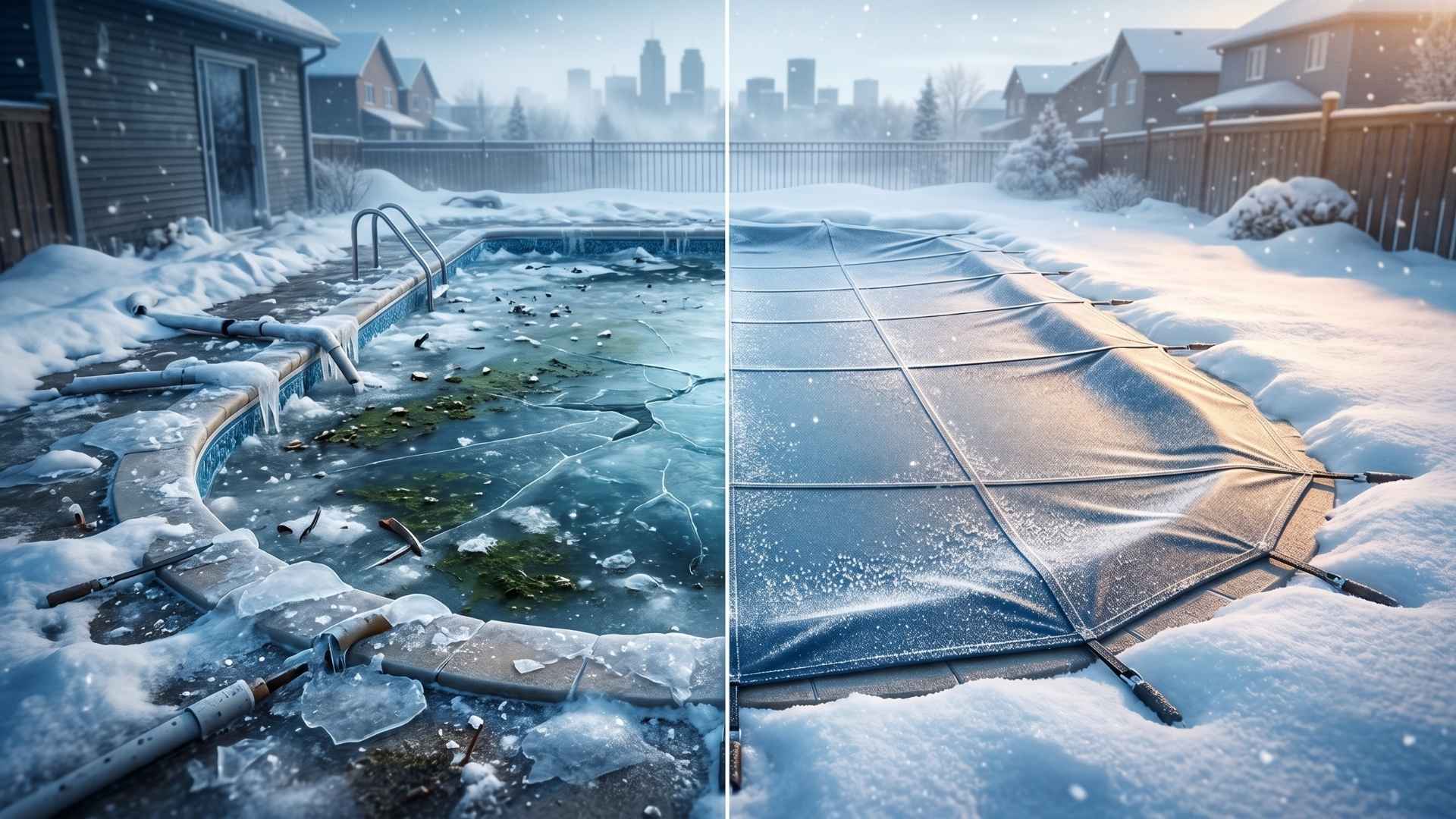
As Ottawa’s snow melts and pools open for the season, the liner is the first thing to inspect. The Canadian freeze-thaw cycle is tough on vinyl. This guide walks you through the five key warning signs, what each means, and when to act.
1. Cracks and Tears in the Pool Liner
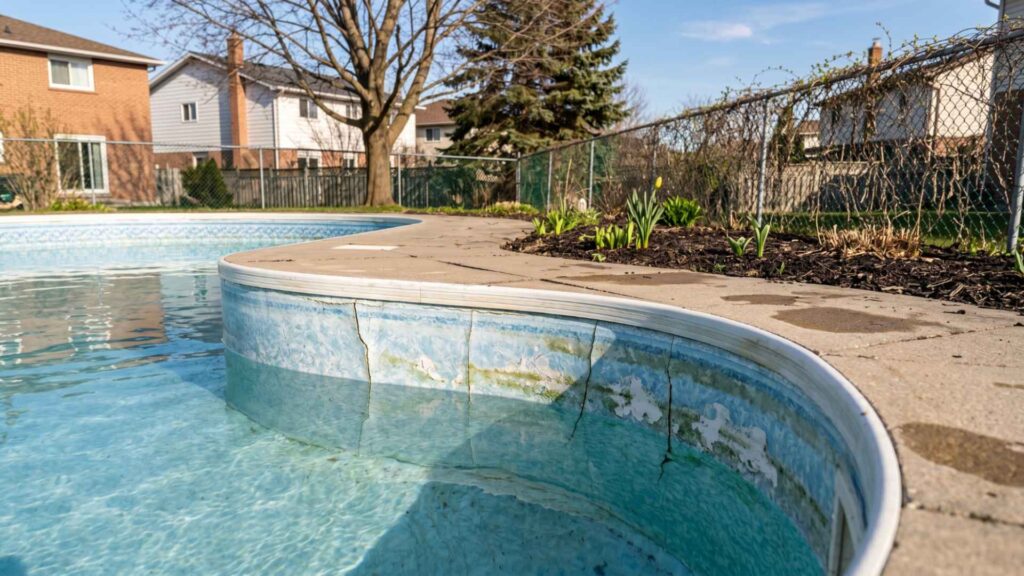
Visible cracks and tears are the most urgent warning signs. They commonly appear near the waterline where the vinyl is stretched tightest against the pool wall. As vinyl ages, plasticizers leach out, causing it to lose elasticity. Temperature shifts and ground pressure then cause the material to split.
⚠ Warning
A single small tear can be patched. But if you notice multiple cracks across the liner surface, the vinyl has reached the end of its useful life. Patching repeatedly is a short-term fix that delays an inevitable and costlier structural problem.
2. Fading or Discoloration
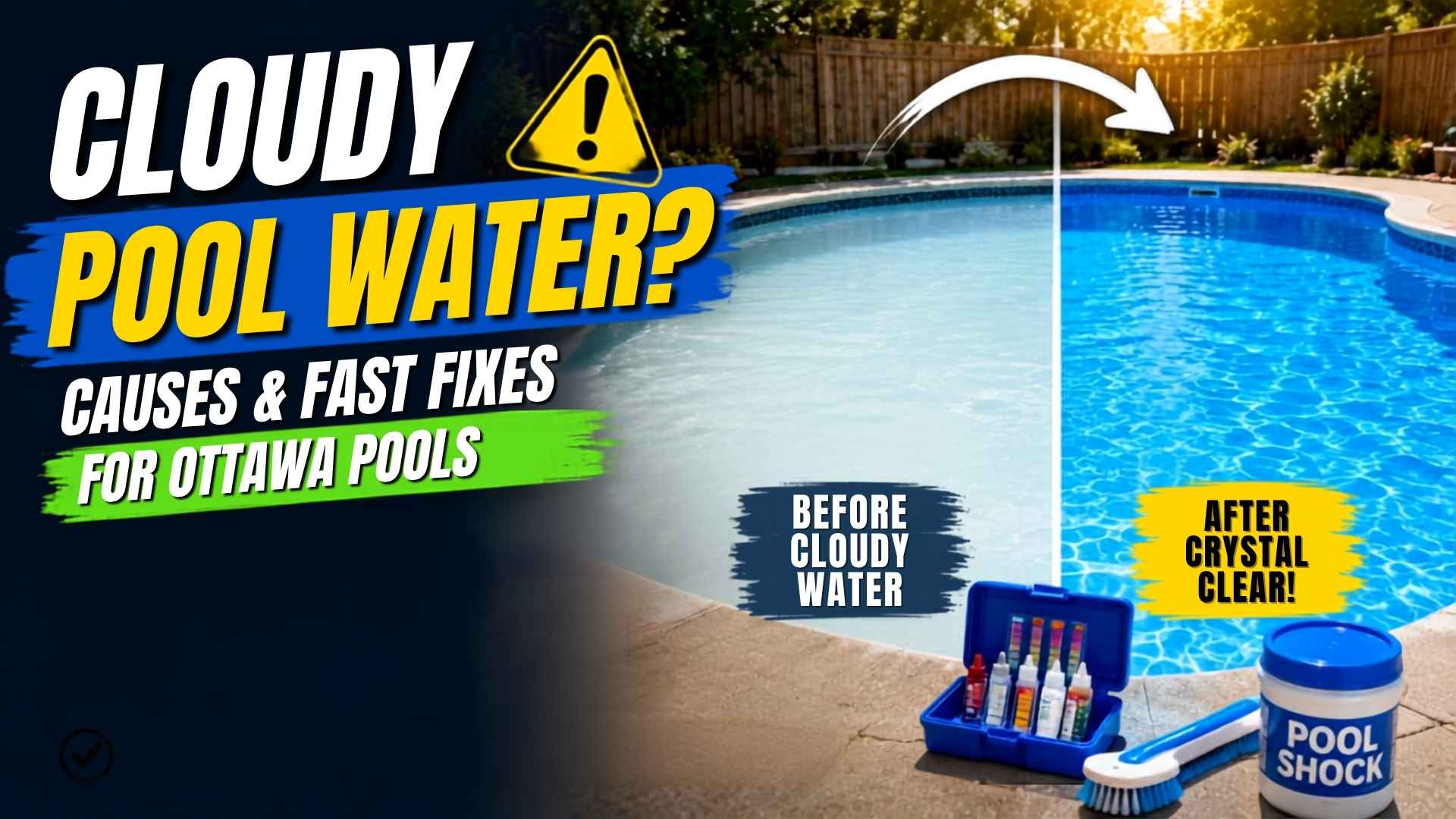
While fading appears cosmetic, it signals material failure beneath the surface. UV exposure bleaches the liner’s pattern, and improper pH balance makes vinyl porous stripping its protective coating. A liner that looks white or grey no longer provides durable waterproof protection and becomes significantly more prone to cracking.
💡 Tip
Test your pool’s pH and chlorine levels weekly throughout the swim season. Keeping pH between 7.2 and 7.6 dramatically slows chemical degradation and extends the liner’s lifespan by several years.
3. Pool Water Loss and Leaks
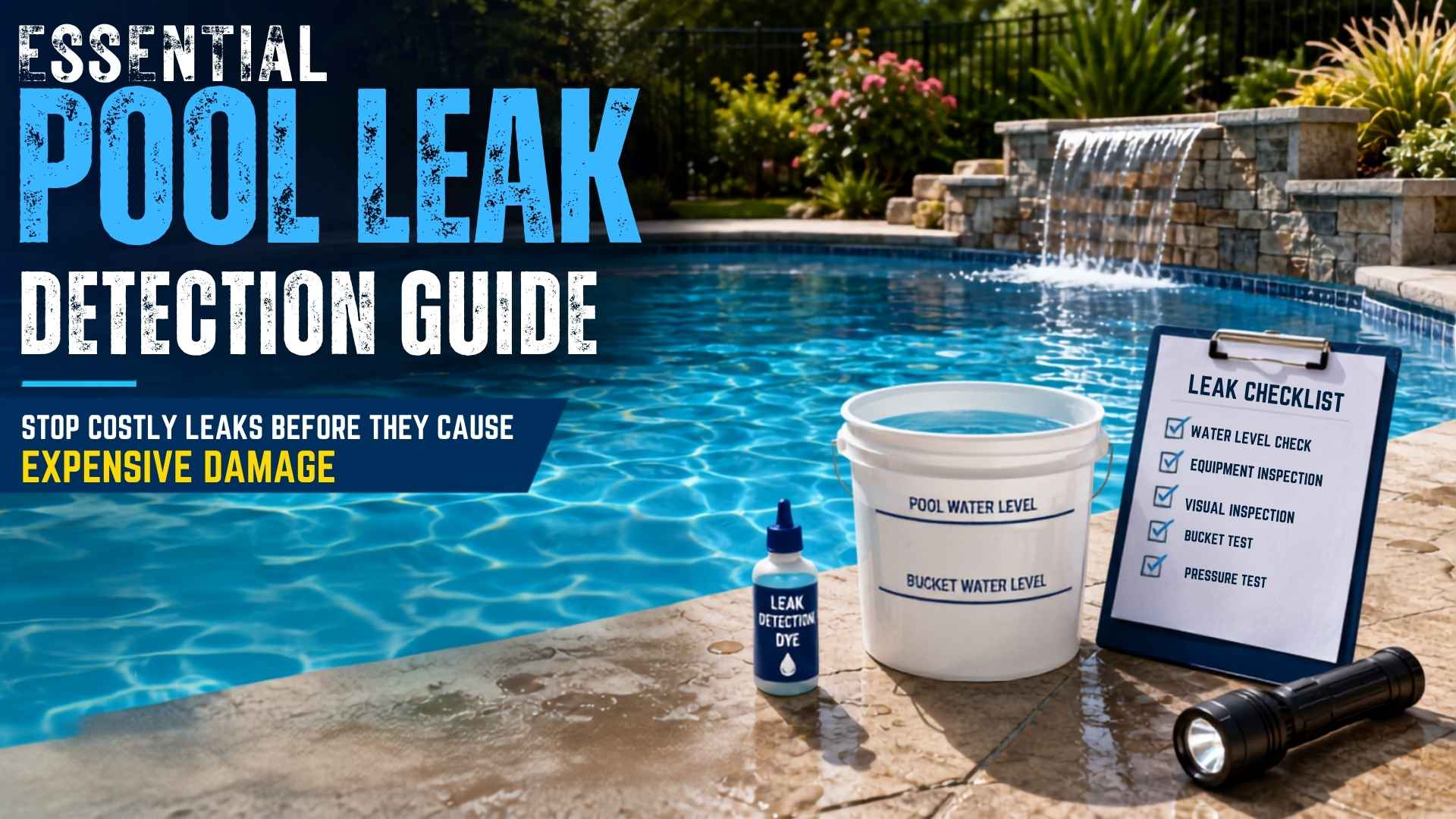
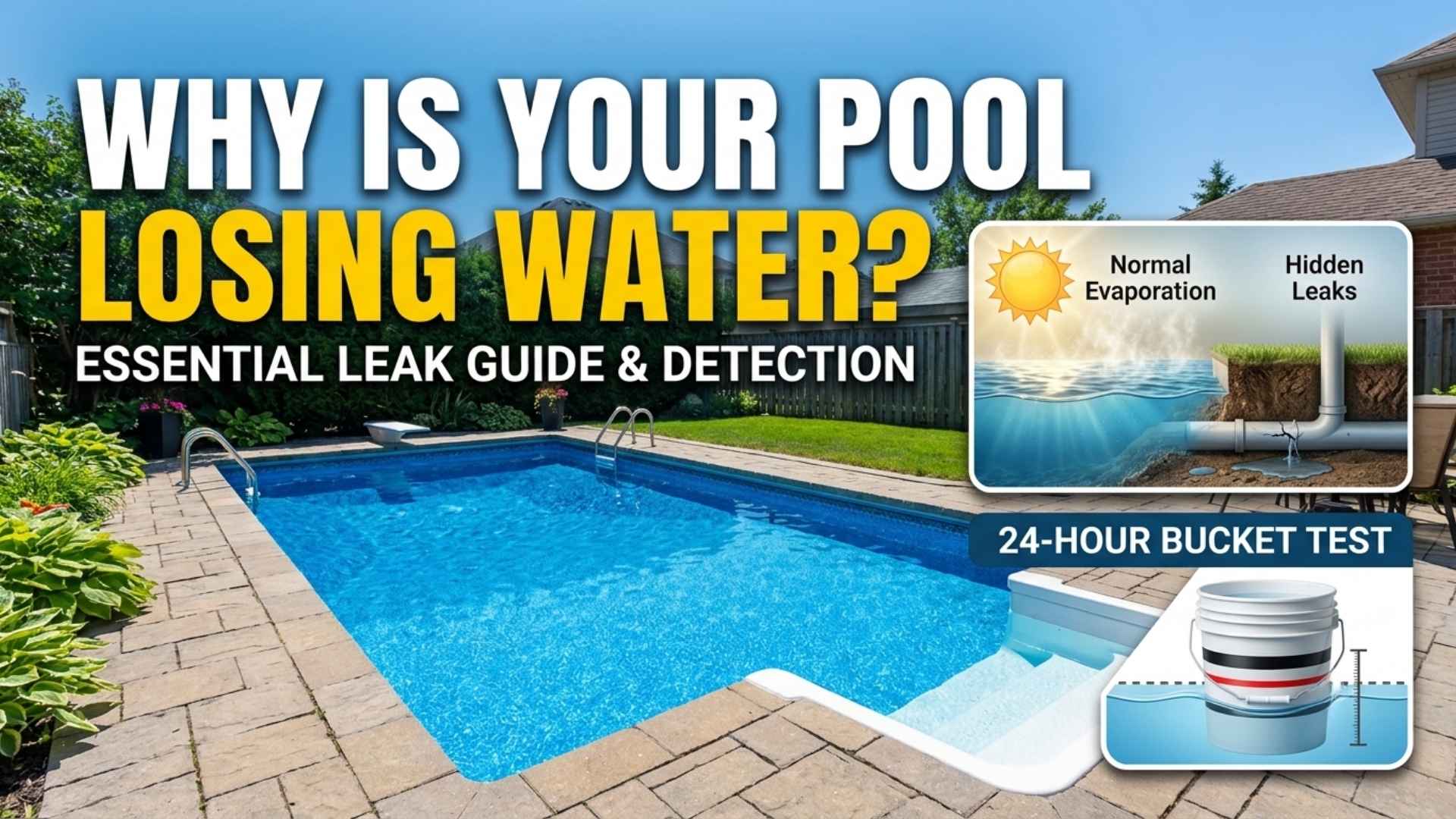
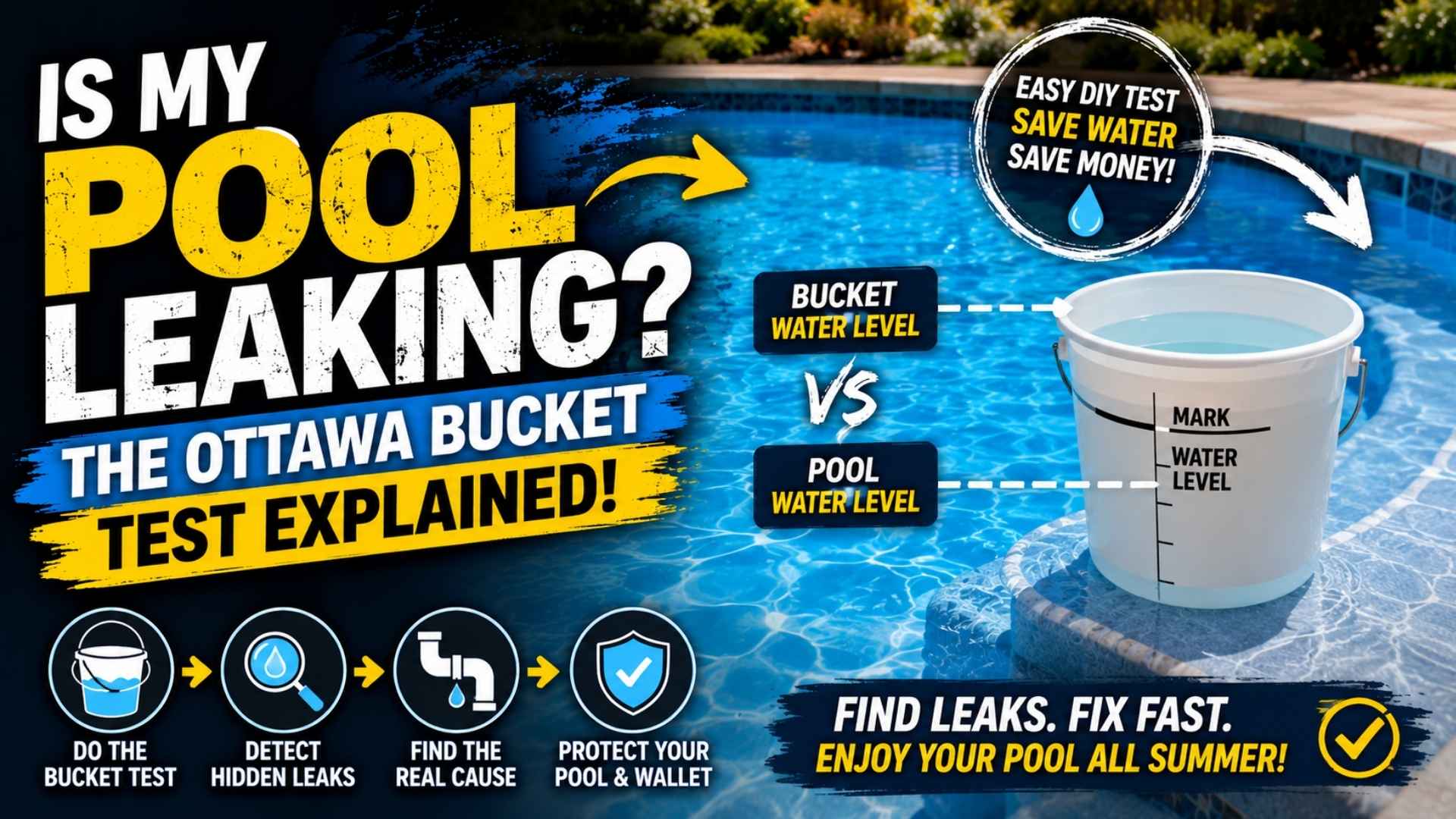
Losing more than one inch of water per week beyond normal evaporation signals a liner leak. A leaking liner allows water to seep behind the vinyl, washing away the sand or vermiculite base. Over time, this creates soft spots, sinkholes, and uneven pool floors. If ignored long enough, water infiltration causes pool walls to rust.
⚠ Warning
If your water level consistently drops and stabilizes at a certain depth, this almost always indicates a hole at that precisae point in the liner. Do not continue topping up the pool without having a professional locate the source the underlying base damage compounds with every fill.
4. Wrinkles or Sagging
Wrinkles and sagging indicate that the vinyl has stretched beyond recovery or that the liner bead has slipped from its track. This happens due to age or after groundwater has floated the liner off its base. Once stretched, vinyl rarely conforms to pool contours again. Beyond aesthetics, wrinkles trap algae and dirt, and sagging sections are easily caught and torn by pool vacuums.
💡 Tip
If you notice small wrinkles forming early in the season, check your water chemistry and groundwater drainage around the pool before assuming the liner is finished. Sometimes wrinkles caused by lifting can be addressed during a liner inspection without full replacement.
5. Wrinkles or Sagging
Most high-quality vinyl liners are designed to last 8 to 15 years. In the Ottawa Valley, the extreme freeze-thaw cycle puts added stress on the vinyl bead and seams each winter, often shortening that window. If your liner is over 10 years old, proactive spring replacement makes more financial sense than reacting to a failure mid-season.
Pool Liner Damage: Signs at a Glance
| Sign | Primary Cause | Risk Level | Recommended Action |
| Cracks and Tears | Aging, UV damage | High | Immediate replacement |
| Fading / Discoloration | UV exposure, chemicals | Medium | Monitor and plan replacement |
| Water Loss / Leaks | Punctures, brittle vinyl | Critical | Professional leak detection |
| Wrinkles / Sagging | Stretch, seepage, poor fit | Medium | Inspect for leaks; replace if recurring |
| Old Age (10+ years) | Natural material wear | Medium | Proactive spring replacement |
Why Spring Is the Best Time to Replace Your Liner
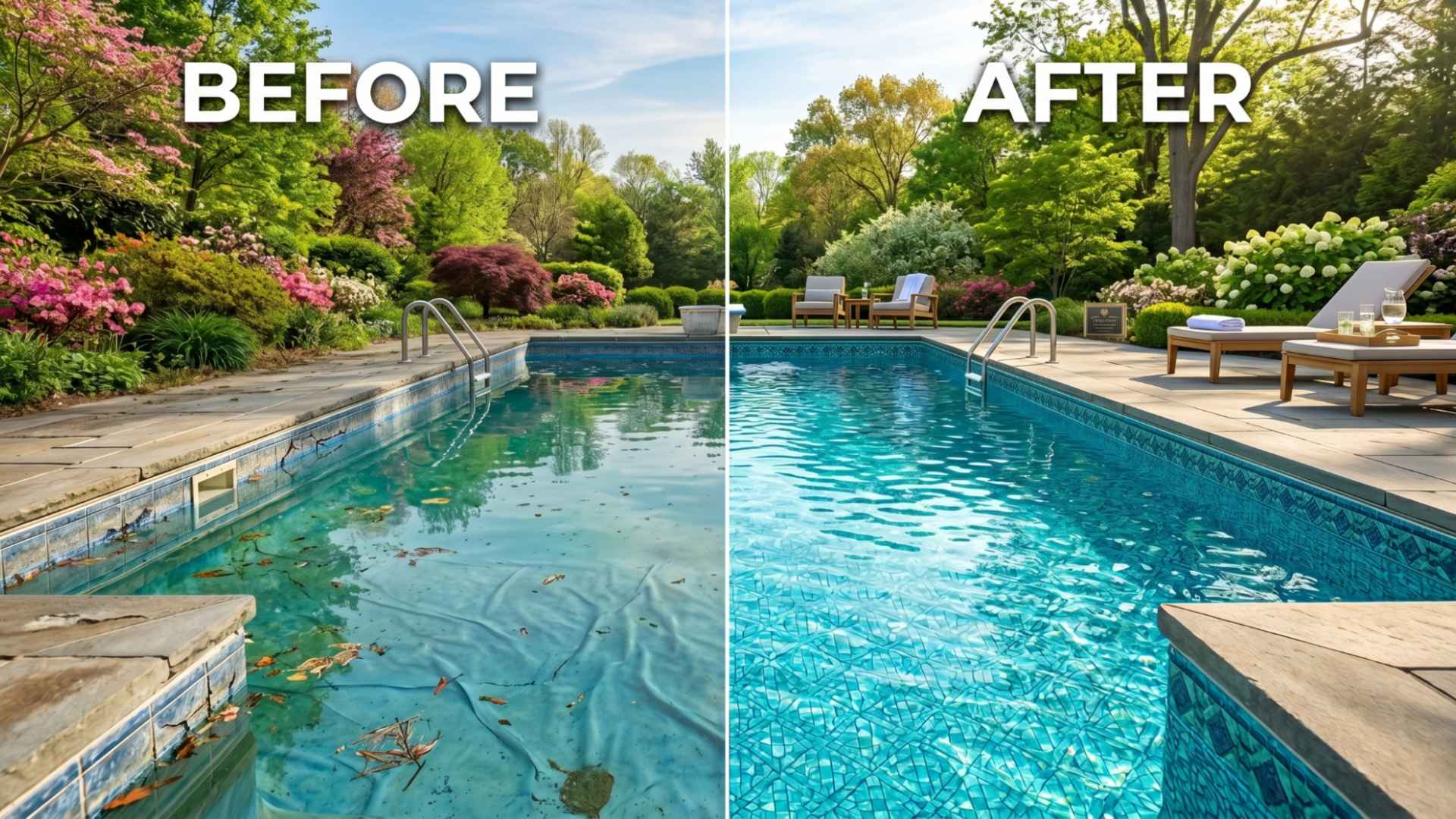
Spring weather is ideal for vinyl installation; mild temperatures keep the material pliable without the over-stretching risk that comes with extreme summer heat. Replacing the liner during spring opening also ensures you are not spending money on chemicals for a pool you will drain weeks later. Professional installers use this window to inspect and repair the floor and walls while the old liner is out.
💡 Tip
Book your liner replacement appointment in late March or early April. Ottawa pool professionals fill their schedules fast once warm weather arrives. Booking early often means faster turnaround and more flexibility in scheduling around your calendar.
The Risks of Ignoring Pool Liner Damage
A compromised liner is not just an inconvenience. Leaking water saturates the surrounding soil, causing pool walls to rust or corrode. In severe cases, saturated ground leads to structural wall collapse, a repair that costs far more than a timely liner replacement. Ongoing water and chemical loss also steadily increases your operating costs throughout the season.
When you are ready for a professionally fitted liner, Pool Liner Repair and Replacement in Ottawa provides precision-measured installations with a full floor and wall inspection included.
Frequently Asked Questions
What are the most common pool liner replacement signs?
Indicators include visible cracks, significant fading, persistent water loss, and vinyl pulling away from the track.
How often should a pool liner be replaced?
A typical vinyl liner lasts 8 to 15 years, depending on chemical balance and UV exposure.
Can small liner damage be repaired?
Small punctures can be patched if the vinyl is flexible. However, for old liners, replacement is more cost-effective.
Is water loss always a sign of a bad liner?
Not always, but if the water level drops and stays at a certain height, it usually indicates a hole in the liner.
Why does my pool liner have wrinkles?
Wrinkles are caused by improper installation, ground water lifting the liner, or vinyl shrinking as it ages.
Final Thoughts on Pool Liner Replacement
Being proactive about pool liner replacement signs is the mark of a responsible homeowner. By identifying issues like cracks and tears in pool liner surfaces early, you protect your backyard investment. While it may be tempting to wait, the risks of structural damage often outweigh the benefits. Give your pool a fresh start this spring.