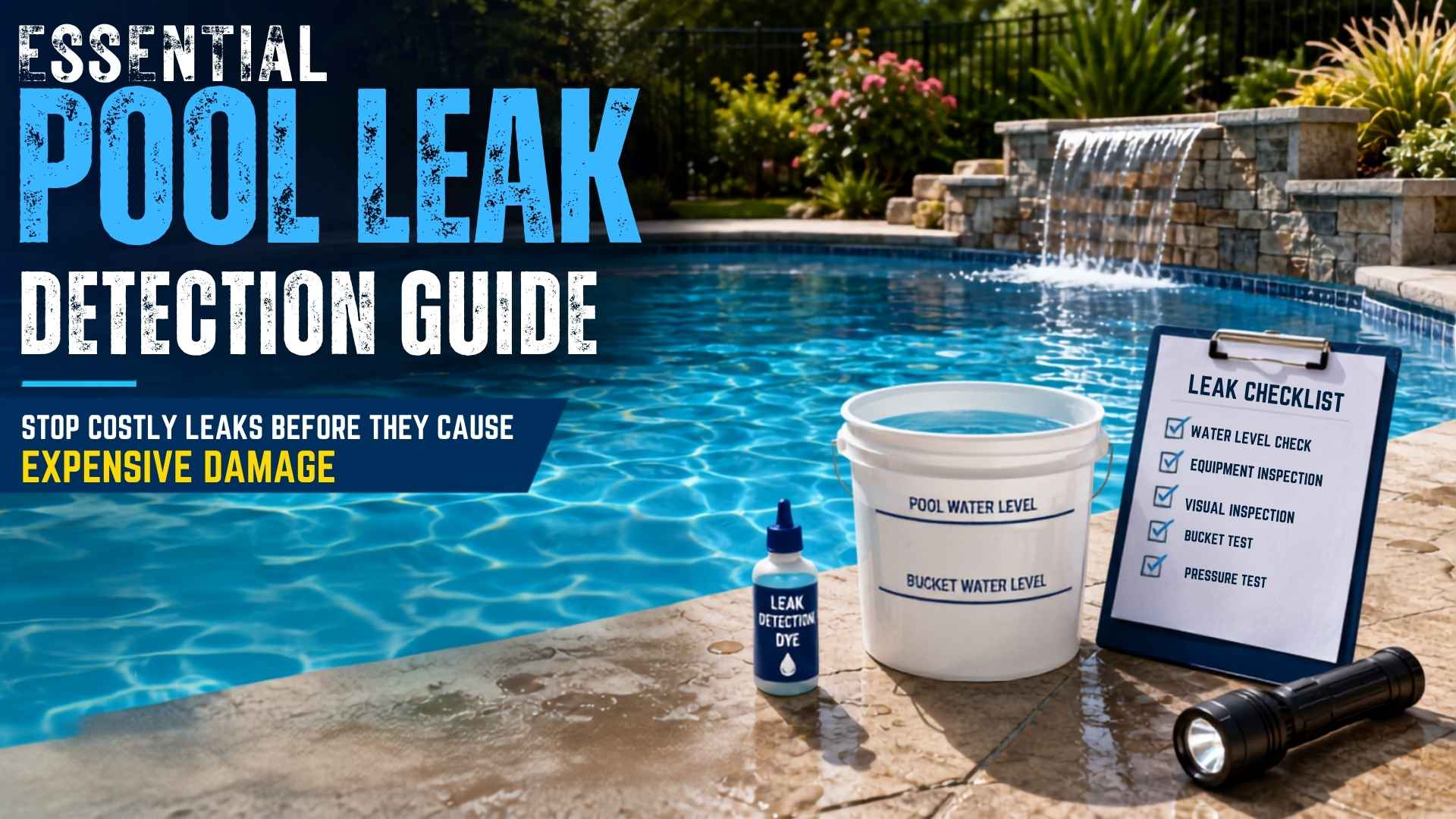
Homeowners can detect pool leaks early by monitoring daily water level drops, watching for soggy deck areas, and testing equipment pressure before small tears cause expensive structural damage. Spotting warning signs like cracked skimmer throats, declining filter pressure, or pooling water near equipment pads prevents long term subterranean erosion around backyard pools. Maintaining continuous water level checks keeps your pump operating safely throughout the summer operating season. Following a comprehensive pool leak detection guide gives pool owners clear actionable steps to safeguard their backyard swimming investment across Ottawa.
Understanding Swimming Pool Leak Detection
Evaporation vs. Structural Water Loss
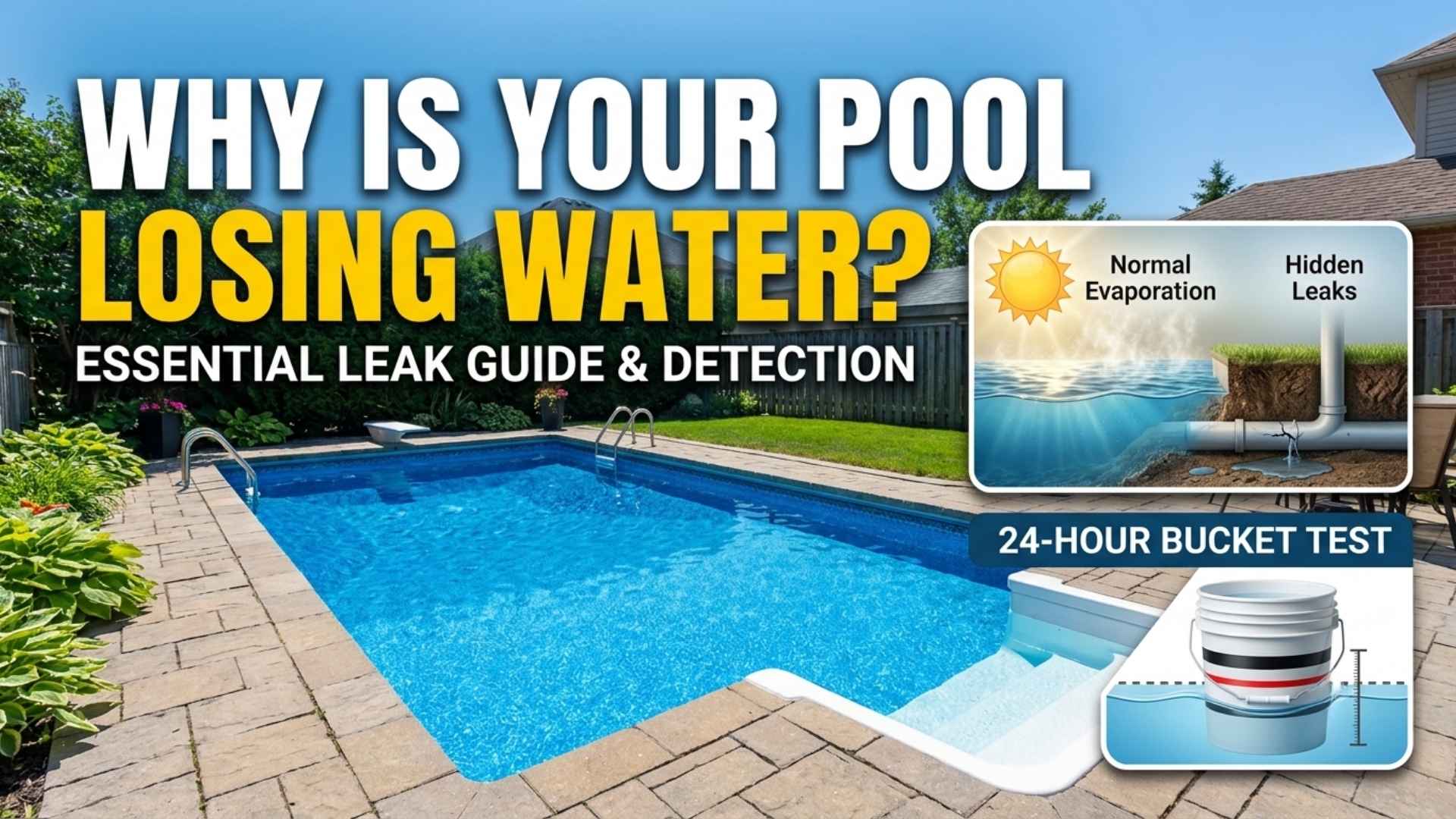
Distinguishing between routine atmospheric dissipation and structural plumbing leaks is the first critical step in pool maintenance. Warm summer weather across Orleans, Kanata, and Stittsville routinely causes natural evaporation of up to one-quarter inch per day. However, when daily water loss consistently exceeds this baseline, an active plumbing tear or vinyl liner breach is usually responsible. High ambient temperatures, low humidity, and strong wind currents accelerate surface evaporation, but structural leaks demand immediate mechanical evaluation to avoid long term damage.

Why Early Leak Detection Protection Matters
Ignoring subtle water loss allows escaping liquid to saturate surrounding backfill and soil foundations. In regions with dense clay soil, continuous subterranean water accumulation leads to ground shifting, patio paver settlement, and pool wall displacement. Identifying leaks early prevents severe deck lifting, chemical imbalance, and unnecessary utility expenses during peak swimming months.
💡 Ottawa Clay Soil Makes Leaks Especially Destructive
Ottawa and surrounding communities like Barrhaven and Stittsville sit on dense Leda clay, a soil type that expands significantly when saturated and contracts sharply when it dries out. A pool leaking even a small amount of water daily can trigger cycles of expansion and contraction that crack concrete decks, shift patio pavers, and displace pool walls over a single season. What starts as a minor liner seam tear can become a structural deck project by the following spring if left unaddressed.
Signs of a Pool Leak Homeowners Should Never Ignore
Unexplained Water Dropping and Refill Frequency
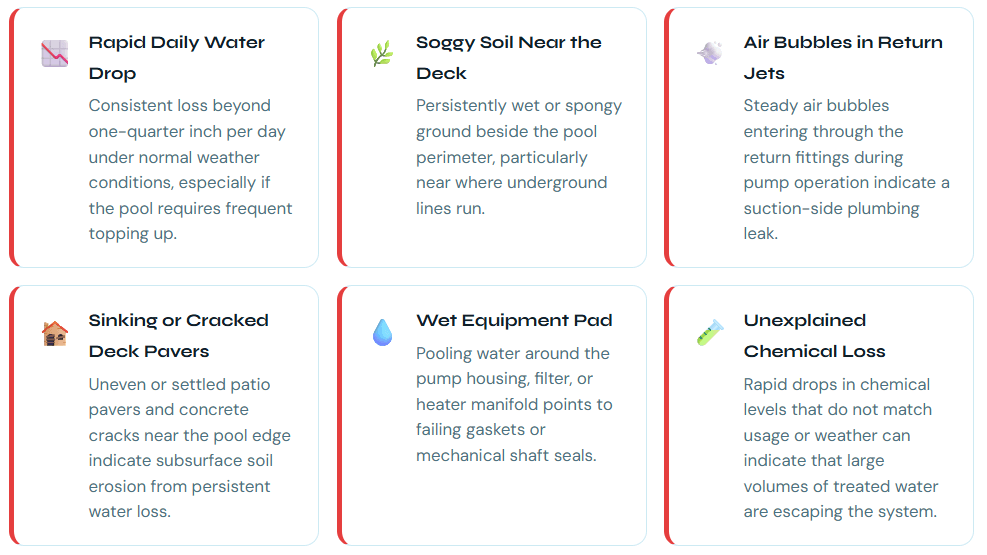
The most noticeable signs of a pool leak involve rapid water level drops that force frequent automatic or manual refilling. When surface water regularly drops below the skimmer mouth, filtration pumps pull air into the plumbing lines, creating air locks and risking expensive motor burnout. Tracking weekly water top-offs provides reliable evidence of underlying leakage problems.
Physical Damage and Equipment Faults
Structural cracks and mechanical equipment faults present distinct symptoms across your pool installation that require prompt inspection.
Vinyl Liner Tears and Skimmer Throat Cracks
In vinyl liner pools, microscopic tears frequently develop near step corners, return fittings, or floor seams due to material aging or winter ice stress. Recognizing key pool liner replacement signs helps determine if liner degradation is causing your water loss. Plastic skimmer throats embedded in concrete decks can also crack under intense freeze-thaw cycles, allowing water to escape behind pool walls and compromise structural backfill.
Equipment Pad Moisture and Air Ingestion
Persistent water accumulation around pump housings, multiport valves, or heater manifolds indicates failing gaskets or mechanical shaft seals. Furthermore, a steady stream of air bubbles entering through return jets suggests an active intake suction leak.
Common Causes of Swimming Pool Leaks
Subsurface Plumbing Line Failures
Underground return pipes and main drain suction lines experience ongoing stress from ground settling and intense seasonal climate shifts. Severe winter freeze-thaw cycles expand subterranean moisture, cracking underground PVC fittings. According to environmental research from Environment and Climate Change Canada, local watershed variations and soil moisture cycles heavily influence underground infrastructure stability over time.
Structural Wear and Gasket Breakdown
Over time, rubber faceplate gaskets behind skimmers, return fittings, and underwater light niches deteriorate from continuous chemical exposure. Aging concrete shells or vinyl liners lose elasticity, allowing microscopic hairline fractures to widen into major water escape routes under continuous hydrostatic pressure.
How to Find a Pool Leak: DIY Methods
Executing the 24-Hour Bucket Test
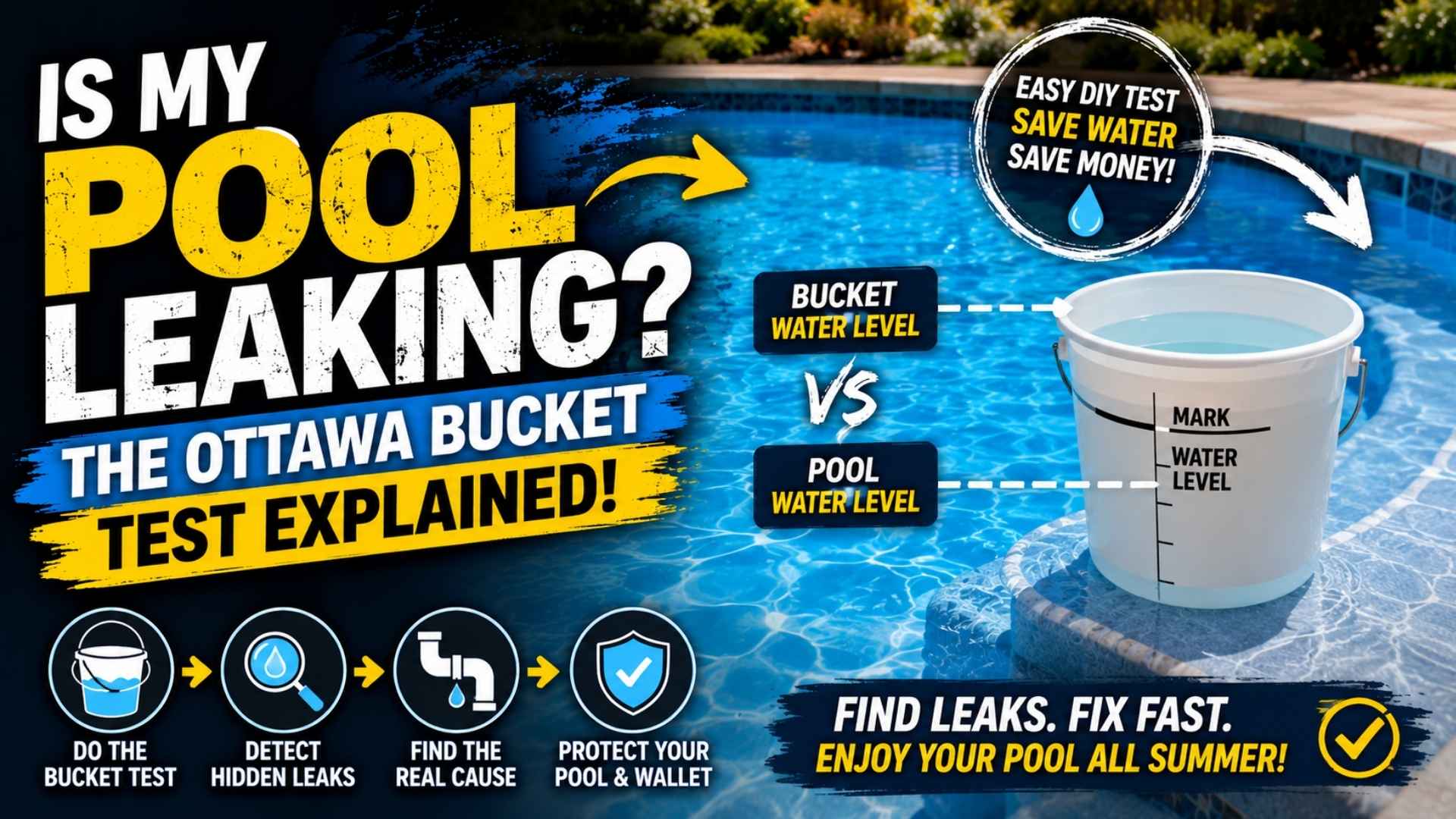
Homeowners can start with a simple and reliable bucket test. Learn more about how to detect a pool leak in Ottawa before calling in a professional. The bucket test distinguishes atmospheric evaporation from structural water loss using nothing more than a five-gallon bucket and waterproof tape.
Fill the Pool to Its Normal Operating Level
Disable any auto-fill device so it does not mask water loss during the test period.
Fill a Five-Gallon Bucket with Pool Water
Using pool water matches the temperature and chemistry of the main pool, ensuring both surfaces experience identical evaporation conditions.
Place the Bucket on the Second Pool Step
Partial submersion keeps the bucket water at pool temperature throughout the test. If the bucket floats, place a rock inside to weigh it down.
Wait 24 Hours with Normal Filtration Running
Do not run the test during rainfall. Measure the drop in both levels after exactly 24 hours and compare the two results.
💡 Equal Drop: Evaporation Only
If both levels fell by roughly the same amount, normal atmospheric evaporation explains the water loss. Monitor and repeat if loss increases.
Visual Spot Inspections and Dye Testing
Turn off the pool pump and inspect liner seams, skimmer faces, and return fittings. Squeezing small amounts of specialized pool leak detection dye near suspected cracks allows you to watch whether the dye gets pulled into an active leak orifice.
Pool Water Loss Troubleshooting and Feature Comparison
| Water Loss Symptom | Primary Cause | DIY Test Method | Professional Solution |
| Water drops over 1/4 in daily | Underground pipe leak or liner tear | 24-hour bucket test (pump on then off) | Ultrasonic location and pressure testing |
| Water stops at skimmer base | Skimmer face gasket leak | Visual dye test around skimmer throat | Skimmer throat injection repair |
| Soggy grass near pool deck | Return line rupture | Probe soil for moisture concentration | Subsurface plumbing excavation and repair |
| Pump basket draws air bubbles | Suction side fitting leak | Inspect pump lid O-ring and suction unions | O-ring and valve seal replacement |
When to Book Professional Pool Leak Inspection
Advanced Acoustic and Pressure Diagnostics
When basic bucket testing confirms persistent water loss, hiring certified experts is critical for protecting your property. Experienced technicians utilize high-frequency acoustic hydrophones and helium tracer gas to locate subterranean plumbing breaks without disturbing surrounding patio stones. When homeowners need complete diagnostic accuracy and long term peace of mind, booking Ottawa Valley Pool Leak Detection in Ottawa guarantees precise location and lasting swimming pool leak repair tailored to local climate conditions.
⚠ Never Ignore a Confirmed Leak Through the Season
A confirmed pool leak that goes unaddressed through an Ottawa summer continuously saturates the surrounding clay soil. By autumn, that saturated ground begins to shift as temperatures drop and freeze-thaw cycles begin. What started as a gasket replacement in June can become a pool deck reconstruction by the following spring. Once the bucket test confirms a leak, treat it as urgent within days, not weeks.
Frequently Asked Questions
What are the primary signs of a pool leak?
Rapid water drops exceeding one-quarter inch per day, soggy soil near patio pavers, unexplained chemical drops, and continuous air bubbles in return lines signal an active leak.
How accurate is the bucket test for finding pool leaks?
The bucket test is exceptionally accurate for distinguishing natural surface evaporation from structural water leaks because both water samples experience identical local weather conditions.
Can a small pool leak cause structural deck damage?
Yes, unaddressed subterranean leaks continuously wash away surrounding backfill, causing patio paver settling, concrete deck cracking, and potential pool wall displacement over time.
How long does a professional pool leak inspection take?
Most professional leak inspections take between one to three hours, depending on pool size, plumbing line configuration, and whether underground pipe pressure testing is required.
Final Thoughts on Protecting Your Swimming Pool
Monitoring your pool water level throughout the summer season safeguards your mechanical equipment and structural deck investment. Promptly distinguishing normal evaporation from structural plumbing issues prevents minor leaks from escalating into costly backyard restoration projects. Regular maintenance checks, simple DIY bucket tests, and timely expert care will keep your Ottawa pool operating smoothly for years to come.