Ottawa homeowners should close their swimming pools in late September or early October when ambient water temperatures drop consistently below 15°C (60°F). Closing before nighttime frost arrives protects plumbing lines, pumps, and heaters from severe freeze-thaw damage while preventing autumn leaves from compromising water chemistry. Planning a proper Ottawa pool winterization guide schedule preserves structural equipment, safeguards water clarity, and ensures a seamless spring reopening.
Understanding When to Close Pool Ottawa Homeowners Timing Strategy
Water Temperature Thresholds and Algae Prevention
Timing your pool closure hinges primarily on daily water temperature. Algae growth naturally slows down when pool water remains steadily below 15°C (60°F). Closing too early while pool water is still warm creates an ideal breeding environment for stubborn green algae under your winter cover. Conversely, waiting too long exposes return lines and skimmers to unexpected autumn freezing temperatures across Nepean, Kanata, and Orléans.
Why Ottawa Climate Demands Early Winterization Planning
Ottawa experiences volatile transitional weather in early autumn, where sunny afternoon temperatures can quickly shift into freezing overnight frost. According to historical weather data from Environment and Climate Change Canada, local October freeze-thaw cycles can expand residual moisture trapped inside un-winterized PVC pipes. Reviewing expert closing a pool in Ottawa tips helps homeowners establish a reliable timeline before sudden overnight cold snaps strike their equipment pad.
💡 Tip
Book your pool closing service at least two to three weeks in advance. Pool companies across Ottawa fill their October calendars fast, and a cold snap that catches the whole city off guard can leave you waiting days for an available technician while your unprotected lines sit at risk.
Ottawa Pool Closing Schedule: Month-by-Month Guide
Late September: Initial System Preparation
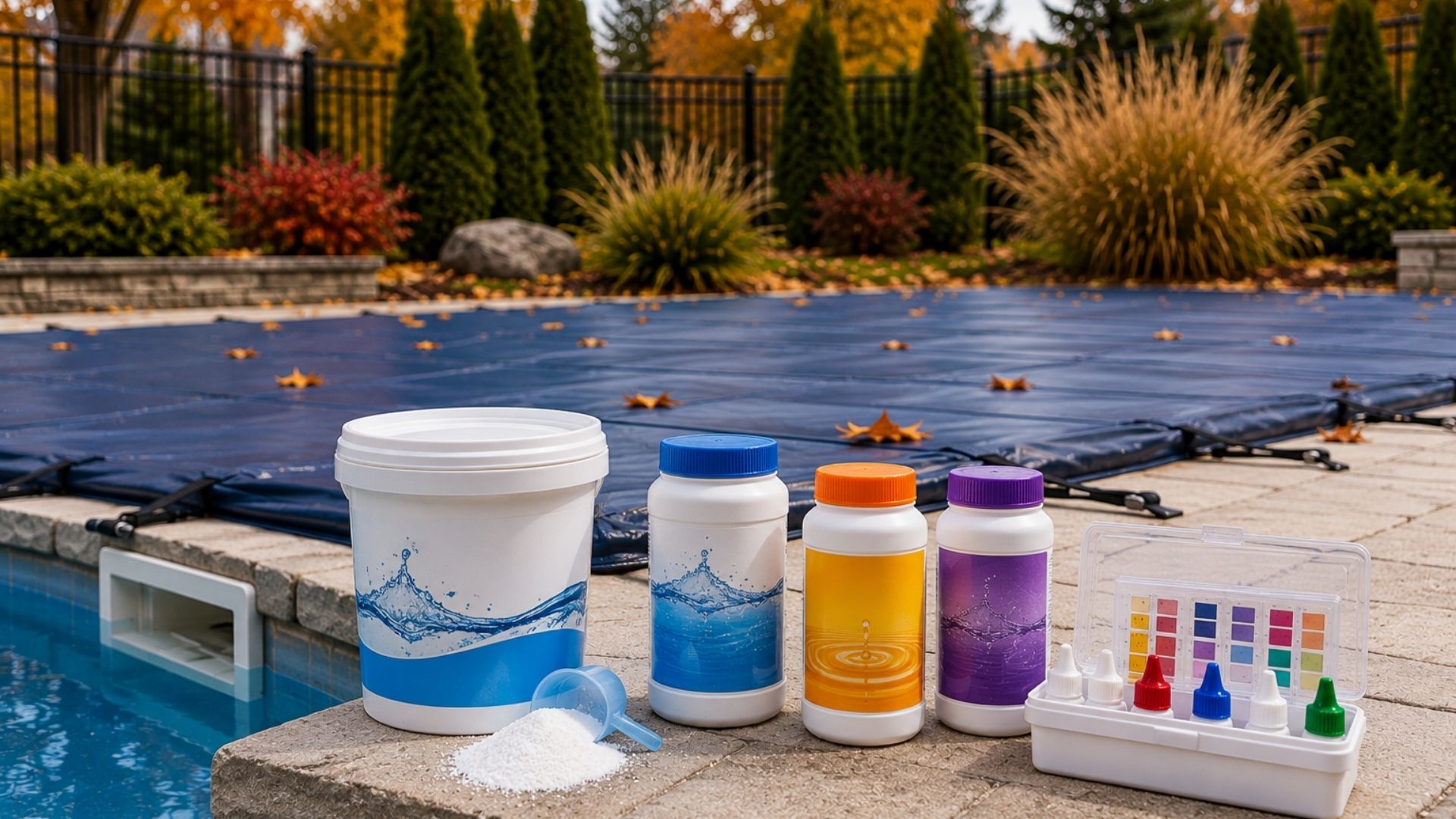
Late September is the best month to close a pool in Ontario for early preparations. During this phase, pool owners should inspect mechanical equipment, skim falling organic matter, balance pH levels between 7.2 and 7.6, adjust total alkalinity, and order necessary winterizing chemicals like non-copper algaecide and concentrated pool shock.
Early October: Official Closure Window
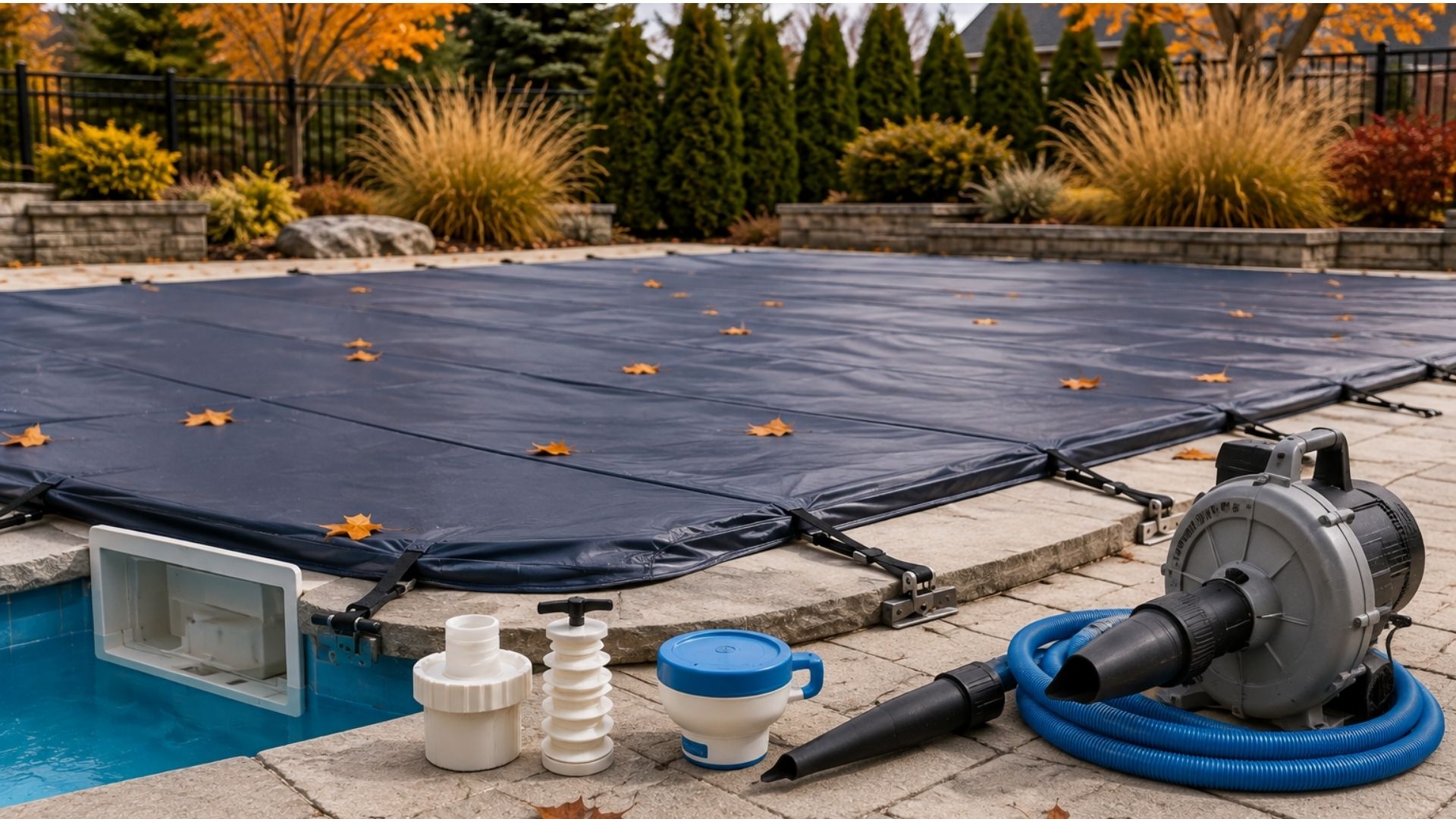
Early October represents the peak closing window for most residential pools in the National Capital Region. Water temperatures have cooled sufficiently, allowing owners to safely lower water levels, blow out plumbing lines using high-volume air compressors, add anti-freeze line protection, and secure winter covers before heavy foliage drops.
⚠ Timing Warning
Do not shock your pool and immediately install the cover. High residual chlorine from closing shock can bleach or degrade vinyl and mesh safety covers within a single season. Add your winterizing shock at least one week before your closing date, allow chlorine levels to fall back below 3 ppm, then proceed with cover installation. Check with a test kit before covering, not by guessing the time elapsed.
Key Signs It Is Time to Close Your Swimming Pool
Environmental Cues and Reduced Swimming Activity
Recognizing subtle seasonal cues helps determine when your backyard pool needs winter preparation before severe weather arrives. When family swimming activity drops and water temperatures remain chilled, continuing pump filtration unnecessarily increases monthly energy bills. Lower water temperatures mean sanitizers remain active longer, making it easier to balance pool chemistry prior to sealing the pool for the winter season.
Heavy Leaf Accumulation & Freezing Nighttime Risks
Surrounding maple and oak trees shed heavy leaf debris during October. Organic debris accumulating at the bottom of the pool stains vinyl liners and consumes free chlorine rapidly. Furthermore, consistent nighttime lows approaching 0°C risk freezing water trapped inside heat exchangers, pumps, and sand filter tanks.
Step-by-Step Pool Closing Checklist Before Freezing Temperatures
Following a structured pool closing checklist before freezing temperatures protects your entire system against costly structural damage.
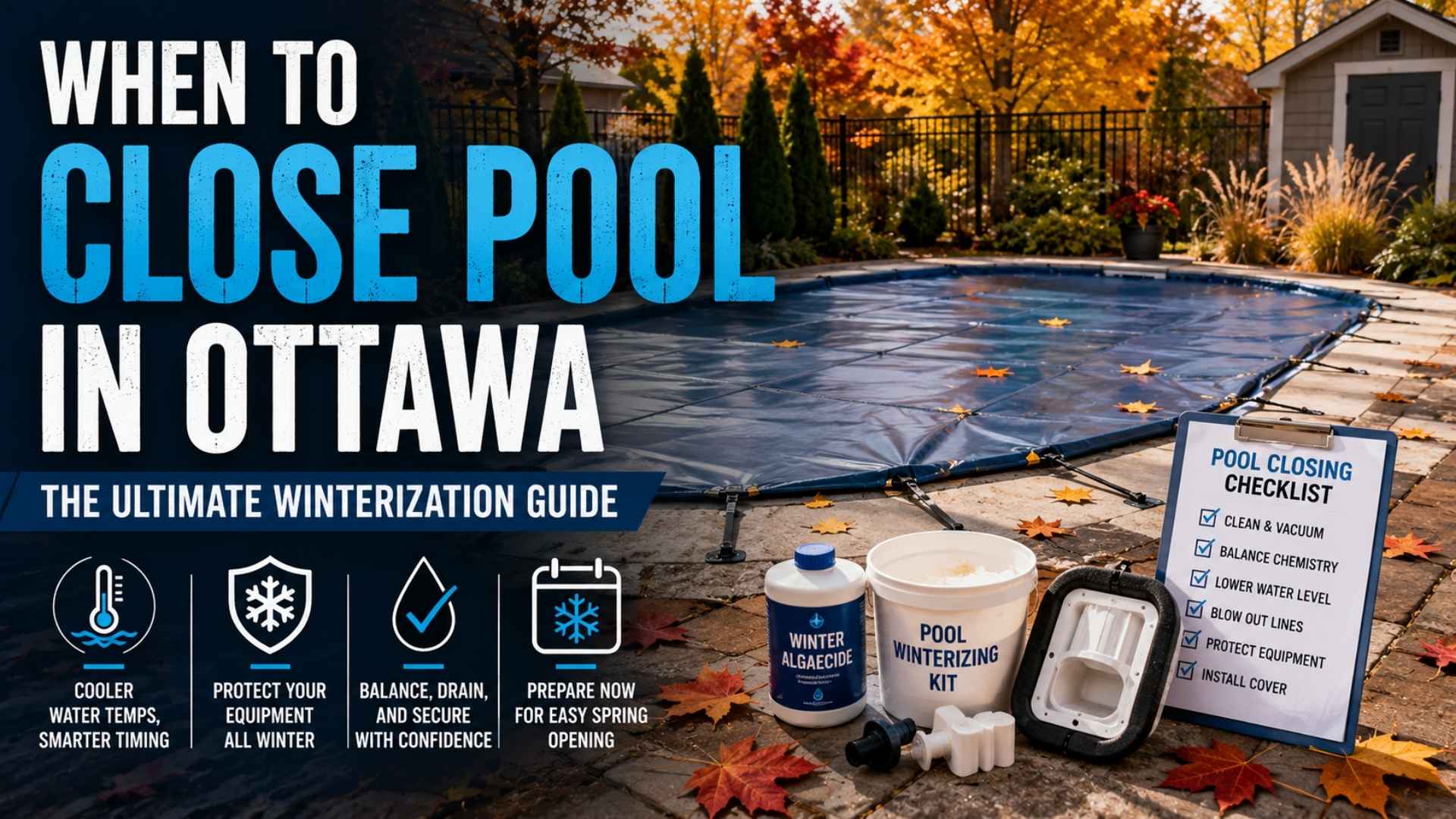
- Deep Clean and Vacuum: Brush pool walls, scrub tile, and vacuum all organic sediment.
- Balance Water Chemistry: Adjust total alkalinity (80-120 ppm), pH (7.2-7.6), and add winter shock.
- Lower Water Level: Drain water 4 to 6 inches below skimmer mouth for vinyl liners.
- Clear Plumbing Lines: Blow out skimmer and return lines using compressed air, then insert plugs.
- Protect Skimmers: Insert Gizzmos into skimmer housings to absorb ice expansion.
- Install Cover: Fasten a heavy-duty safety cover tightly over the pool perimeter.
Protecting Pool Equipment During Winter Months
Safely Draining Pumps, Filters, and Heaters
Water remaining inside mechanical components will expand upon freezing, cracking expensive cast iron or plastic pump housings. Remove drain plugs from sand filters, gas heaters, and salt chlorination cells, storing removable items indoors in Barrhaven or Stittsville garages.
Selecting and Securing Winter Pool Covers
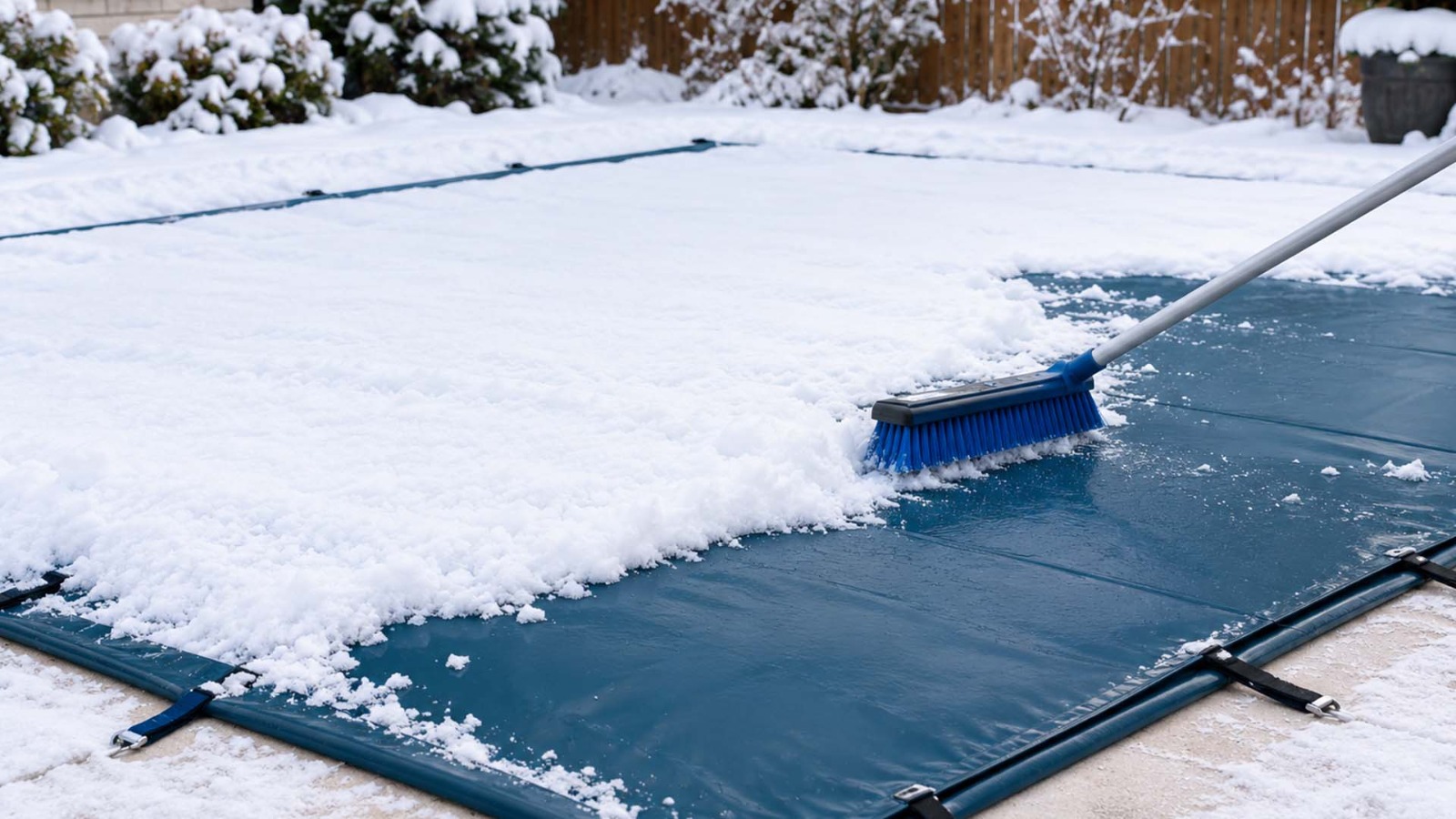
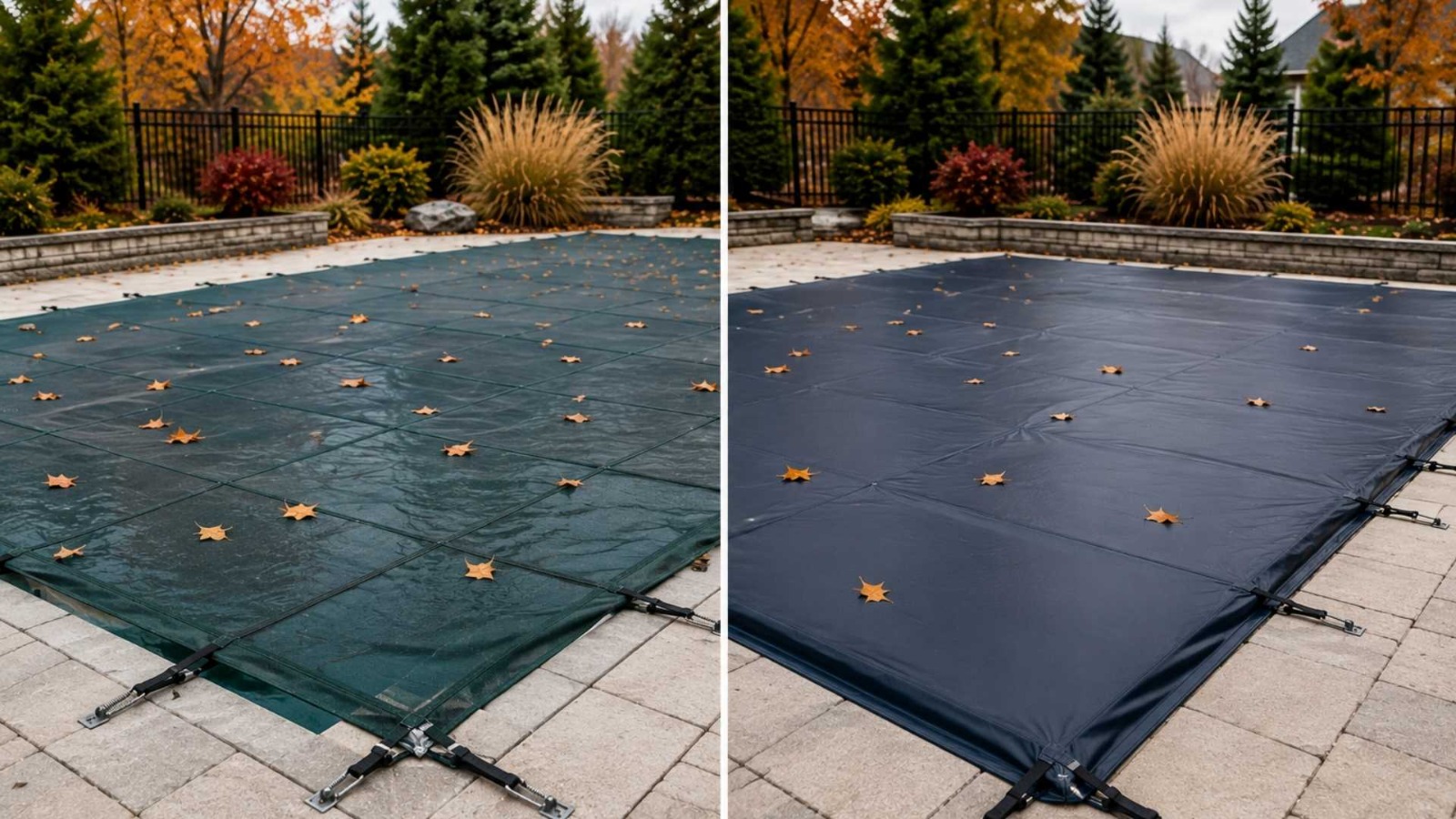
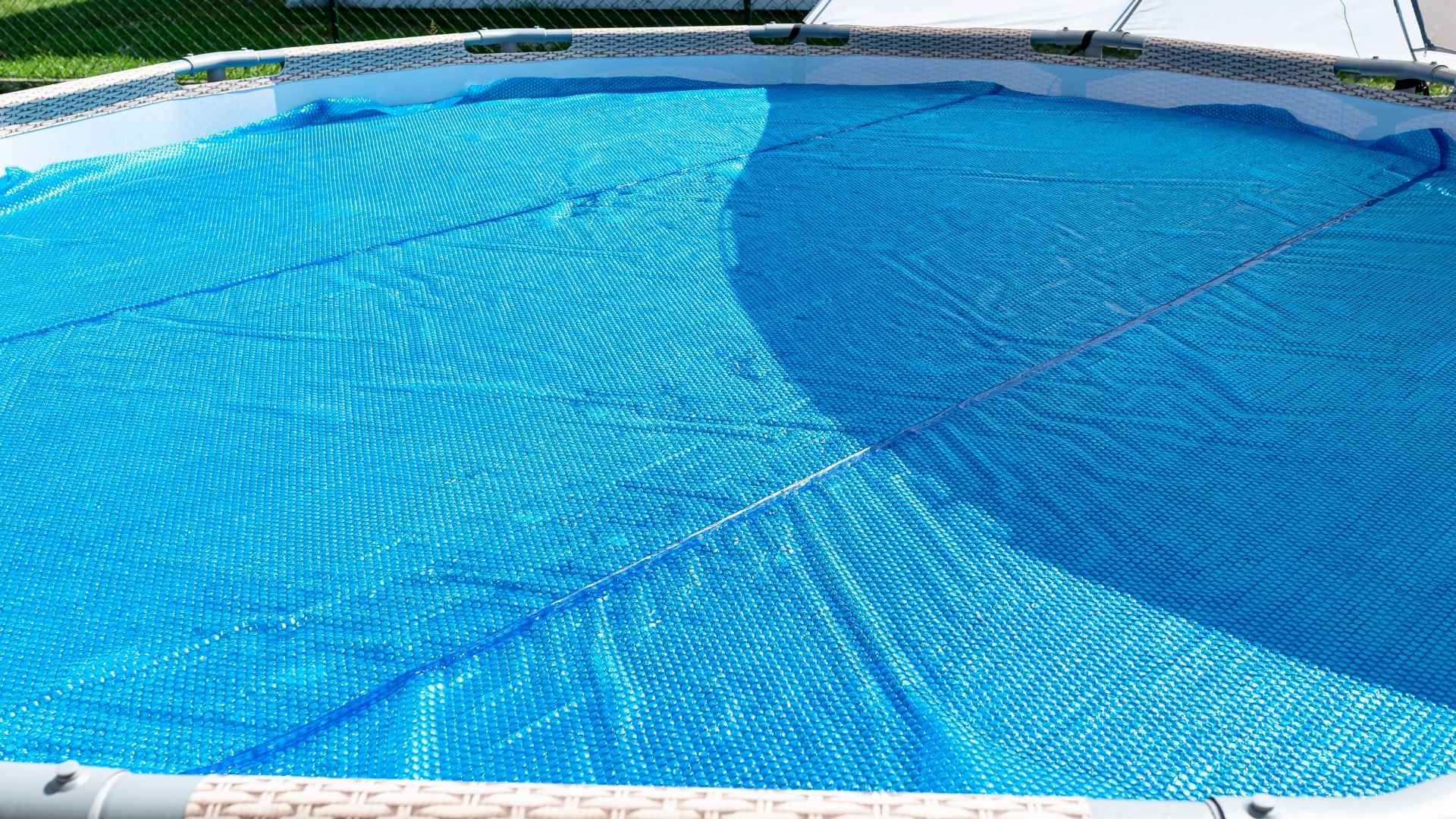
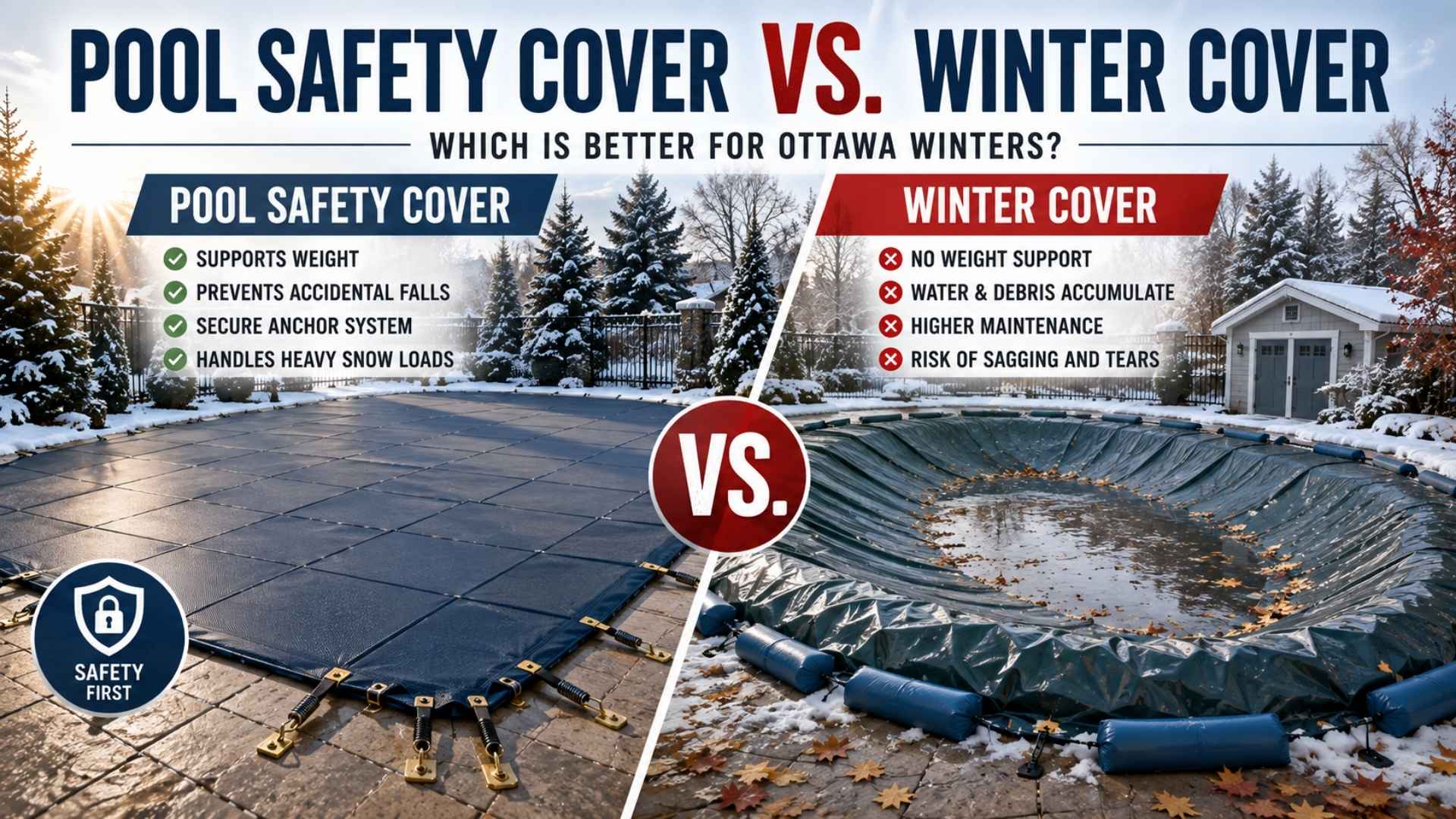
Investing in proper cover protection shields water quality and prevents accidental falls. Learning how winter pool covers help protect pools ensures your backyard stays safe against heavy Ottawa snow loads. Ordering certified Ottawa Valley Pool Safety Covers in Ottawa provides custom tension support across solid concrete decks.
DIY vs Professional Ottawa Pool Winterization
| Service Feature | DIY Pool Closing | Professional Pool Closing |
| Pipe Blowout Reliability | High risk of residual water trapped | Commercial air compressor blowout guaranteed |
| Chemical Balancing | Manual testing and application | Precise professional winterizing chemical kit |
| Time and Labor Required | 4 to 6 hours of heavy physical effort | Completed in under 2 hours by certified technicians |
| Freeze Damage Risk | Moderate to high risk of pipe ruptures | Minimal risk with full warranty protection |
Scheduling professional Ottawa Valley Pool Closing in Ottawa gives pool owners complete confidence that plumbing lines and equipment pads are fully protected against harsh winter weather.
Frequently Asked Questions About Ottawa Pool Closing
When to close the pool Ottawa homeowners ask most frequently?
The optimal time is between late September and early October when water temperatures drop below 15°C but before hard freezes occur.
What is the best month to close a pool in Ontario?
Late September to mid-October is the best month to close a pool in Ontario because water stays cold enough to deter algae growth.
Can leaving a pool open too late cause pipe damage?
Yes, unblown subterranean pipes and undrained pump housings can freeze and burst when sudden October frosts hit Ottawa.
Should I lower my pool water level before winter?
Yes, lowering water below skimmer openings prevents ice expansion from cracking plastic skimmer throats during deep freeze cycles.
Do I need professional blowout equipment for plumbing lines?
Using high-volume air blowers ensures all water is cleared from return lines, preventing subterranean leaks during spring startup.
Final Thoughts on Preparing Your Pool for Winter
Knowing when to close pool Ottawa systems correctly safeguards your investment against harsh Canadian winter freezing cycles. Balancing chemicals, draining equipment, blowing out lines, and securing a fitted safety cover prevents expensive structural damage. Preparing your pool proactively in early autumn ensures a clean, stress-free opening when warm weather returns.