Owning an inground swimming pool in Ottawa brings summer enjoyment, but harsh winters present unique maintenance challenges. Homeowners in communities across Kanata, Nepean, Barrhaven, Orleans, Gloucester, and Manotick must contend with severe winter conditions. As autumn transitions into winter and winter turns to spring, shifting temperatures create recurring freeze-thaw conditions. Understanding how freeze thaw cycle pool damage develops allows pool owners to take proactive steps, safeguard vinyl pool liners, and protect structural components before winter weather arrives.
What Is the Ottawa Freeze-Thaw Cycle?
The Ottawa freeze thaw weather pattern is characterized by repeated temperature fluctuations above and below the 0°C freezing threshold during late autumn, mid-winter thaws, and early spring. According to official Canadian climate data, average daily minimum winter temperatures in Ottawa drop to around -13°C to -14°C in January and February. When mild spells thaw surface snow and ice, meltwater flows into soil crevices and around pool coping. When temperatures drop below freezing again, this trapped water refreezes, expanding rapidly and creating systemic stress. Understanding these freezing and thawing pool problems helps homeowners prepare their pools for winter severity.
How Freeze-Thaw Cycles Damage Pool Liners
A vinyl pool liner does not exist in isolation; it works together with pool walls, concrete decking, skimmers, return fittings, and surrounding soil. When winter water freezes, physical forces act upon each part of the pool structure simultaneously.
Ice Expansion and Vinyl Liner Strain
As water freezes into solid ice, it expands by approximately 9 percent in volume. In a closed swimming pool, surface ice forms a rigid sheet that exerts lateral pressure against the pool walls and vinyl liner. During pool liner expansion and contraction cycles, this shifting ice mass can pull, stretch, or scrub against the vinyl material, increasing the potential for structural strain or surface abrasions.
Structural Components and Fitting Vulnerability
Beyond the vinyl sheet itself, freeze thaw pool damage frequently targets pool wall fittings, skimmer faceplates, return jets, and main drains. Water trapped behind faceplates or inside plumbing lines expands when frozen, cracking rigid plastic or popping rubber gaskets. When thawing occurs, water migrates behind the liner, creating water pockets under the floor or behind walls that destabilize the pool foundation.
Tip
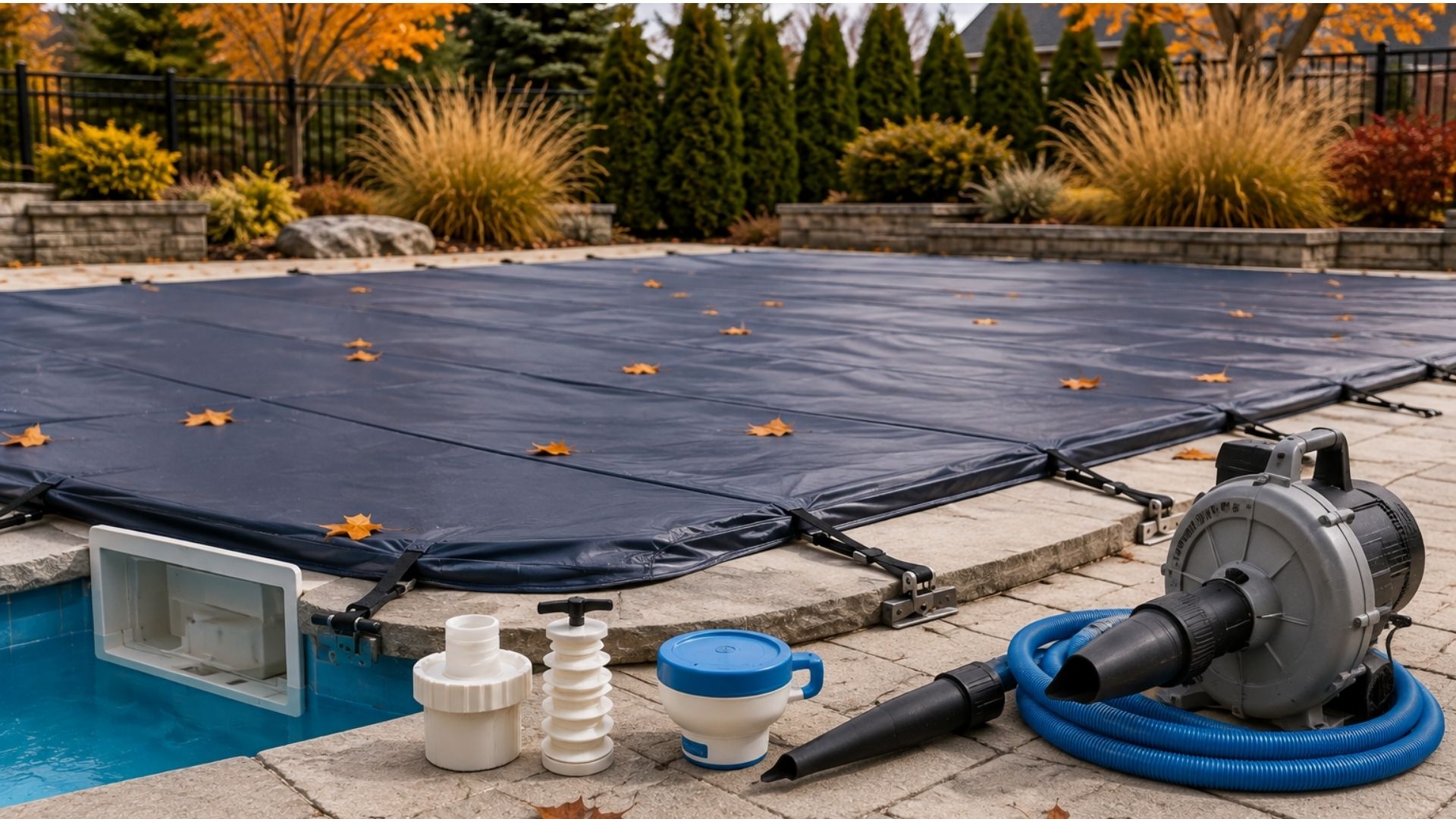
Give freezing water somewhere soft to go. A skimmer gizmo or closed-cell foam, such as a cut pool noodle, fills the skimmer throat with air-filled space so expanding ice pushes against it instead of the skimmer walls. Pool owners on forums caution that capped empty jugs can flood and turn into solid ice, which defeats the purpose.
Can Freezing Temperatures Actually Crack a Vinyl Pool Liner?
Sub-zero outdoor temperatures alone rarely cause a healthy vinyl liner to snap instantly. Instead, pool liner cracking in cold weather usually results from a combination of material aging, loss of vinyl plasticizers, pre-existing pinhole leaks, and mechanical ice pressure. Older liners become less pliable in freezing weather. When expanding ice or shifting groundwater pushes against brittle vinyl, existing stress points can develop into active tears, splits, or bead separation along the track.
Why Freeze-Thaw Weather Is Hard on Ottawa Swimming Pools
Ottawa’s continental climate produces heavy snowfall followed by sudden winter warm-ups. Regions like Stittsville and Rockcliffe experience heavy frost heave where soil moisture freezes and expands beneath pool decks. This ground movement shifts coping stones and pool wall panels. Protecting pool liners during Ottawa winters requires managing both internal pool ice and external groundwater movement around the pool shell.
Winter Pool Liner Damage: Signs Homeowners Should Watch For
Early identification of winter pool damage allows pool owners to address structural concerns before opening the pool in spring. Homeowners should routinely monitor their winter pool installation during periodic thaws to detect visible changes in liner positioning or pool structure integrity.
Visual Indicators of Winter Structural Stress
Monitoring key areas around the pool perimeter helps identify structural stress before minor issues turn into major structural repairs.
Liner Tears, Bead Separation, and Wrinkles
Look for unexplained water drops under the winter cover, visible liner separation from the coping track, or new wrinkles along the pool floor. Preventing pool liner tears requires fixing minor tears before the first hard frost arrives.
Fitting Displacement and Coping Cracks
Cracked skimmer housings, bowed wall panels, or displaced top coping tracks indicate that expanding ice or shifting soil has exerted excessive force on the pool structure.
Key Considerations for Preventing Winter Pool Damage
Maintaining the appropriate pool water level during winter is critical. Water inside the pool provides necessary inward hydrostatic pressure to counteract external soil pressure against pool walls. Draining a vinyl liner pool completely is dangerous because vinyl liners shrink and pool walls can collapse inward. The ideal water level depends on pool design, liner type, and winter cover style, so pool owners should always follow manufacturer guidelines or professional advice.
⚠ Warning
Do not pump water out of the pool while there is ice on it. Lowering the water under a sheet of ice leaves the ice unsupported, and it can drop and tear the liner. Wait for a full thaw, then lower the level.
Comprehensive Winter Pool Closing Procedures
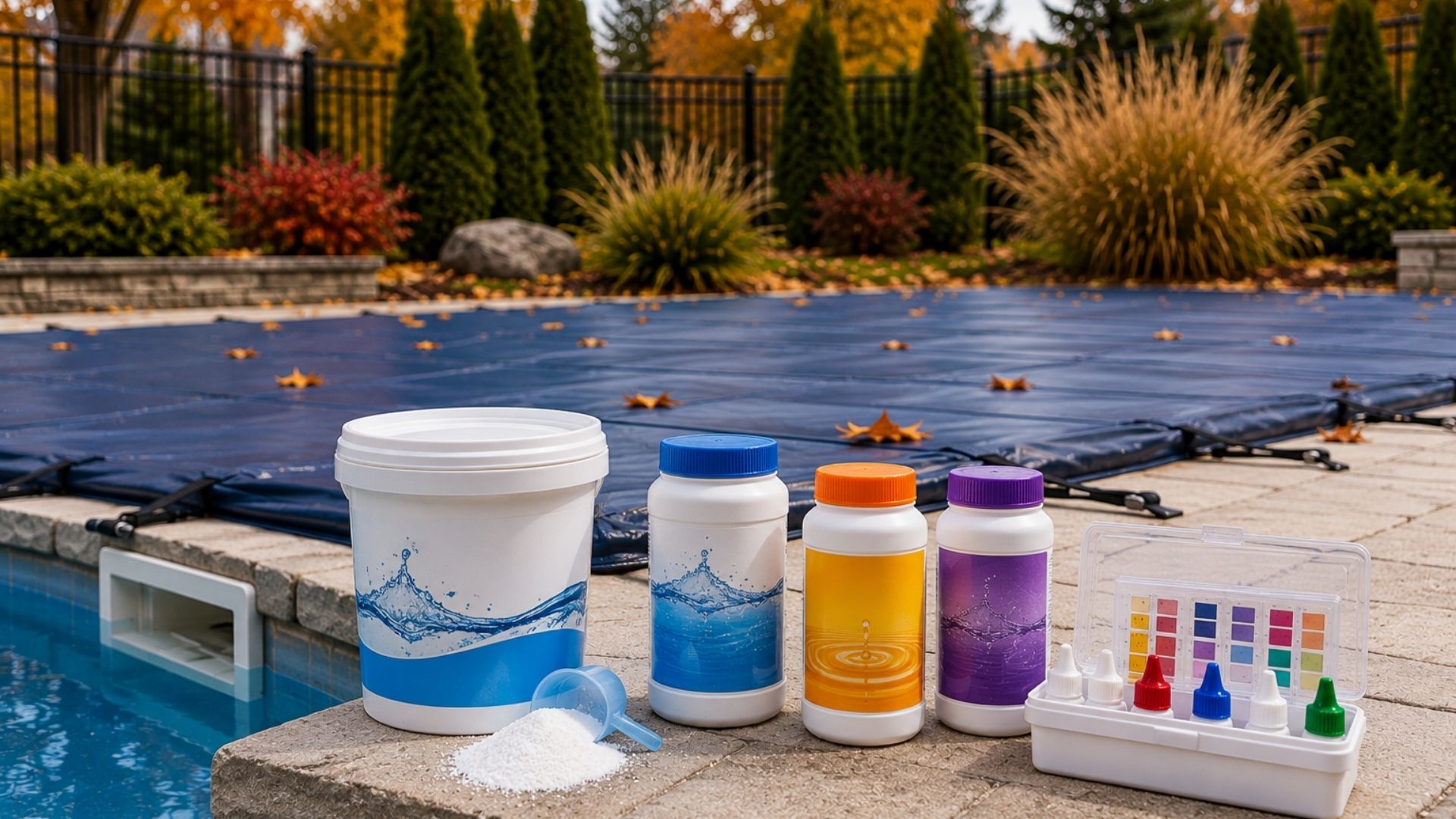
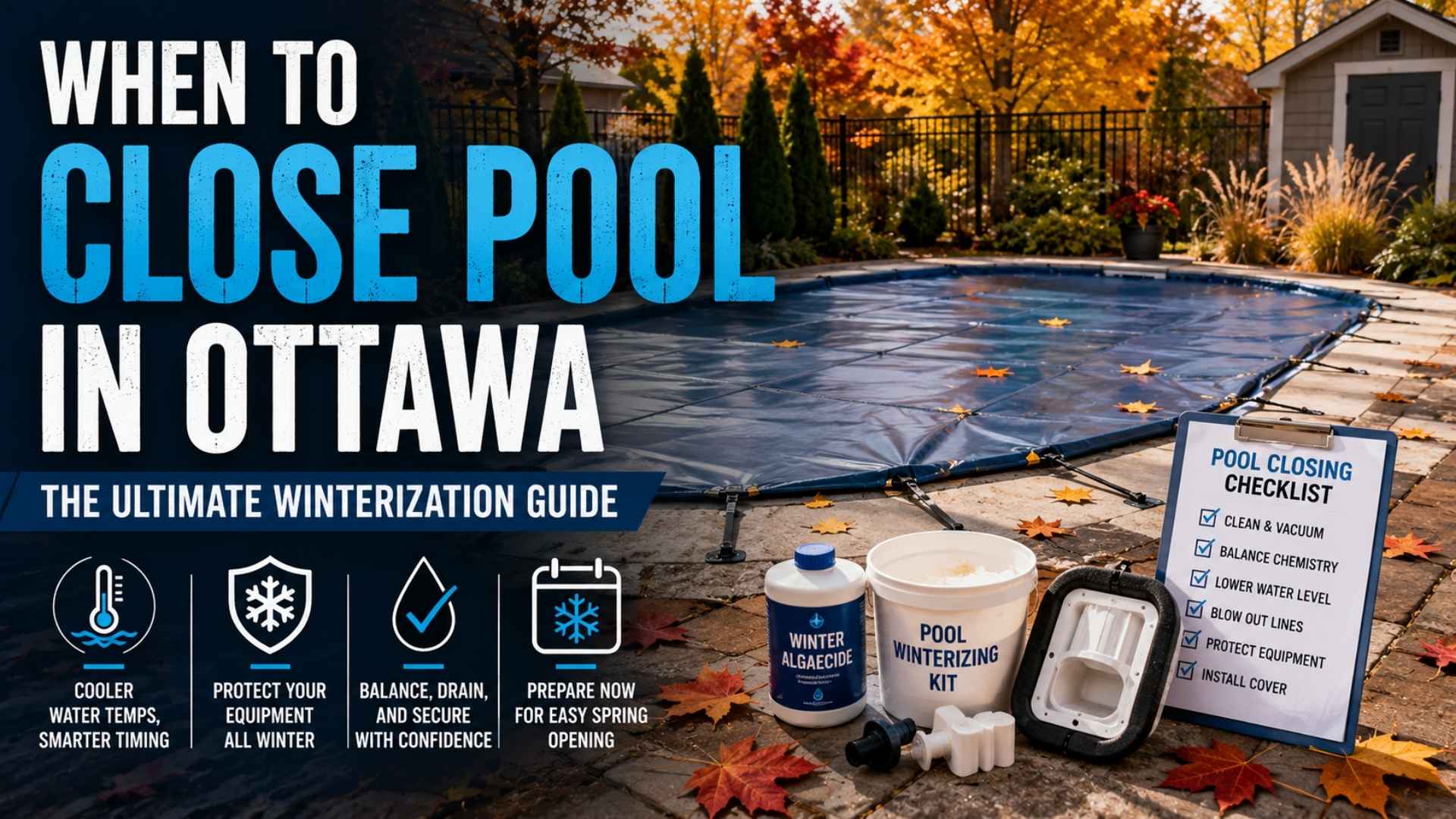
Executing thorough winter pool closing procedures minimizes structural risks caused by freezing temperatures. Comprehensive closing involves balancing water chemistry, removing deck accessories, adding winterizing algaecides, protecting skimmer boxes with expansion plugs, and blowing out plumbing lines. Homeowners seeking reliable winter protection can rely on experienced Ottawa Valley Winter Pool Services in Ottawa to ensure all pool equipment and lines are thoroughly safeguarded.
Winterization Mistakes That Increase Damage Risk
Common winterization mistakes significantly elevate the risk of freeze thaw cycle pool damage. Waiting too late in autumn to close the pool exposes equipment to sudden hard freezes. Leaving residual water inside plumbing lines leads to cracked pipes, while failing to fix minor liner tears allows water to leak underneath the pool floor. Reviewing practical closing pool in Ottawa tips helps prevent these costly mistakes.
Can a Winter Pool Cover Prevent Freeze-Thaw Damage?
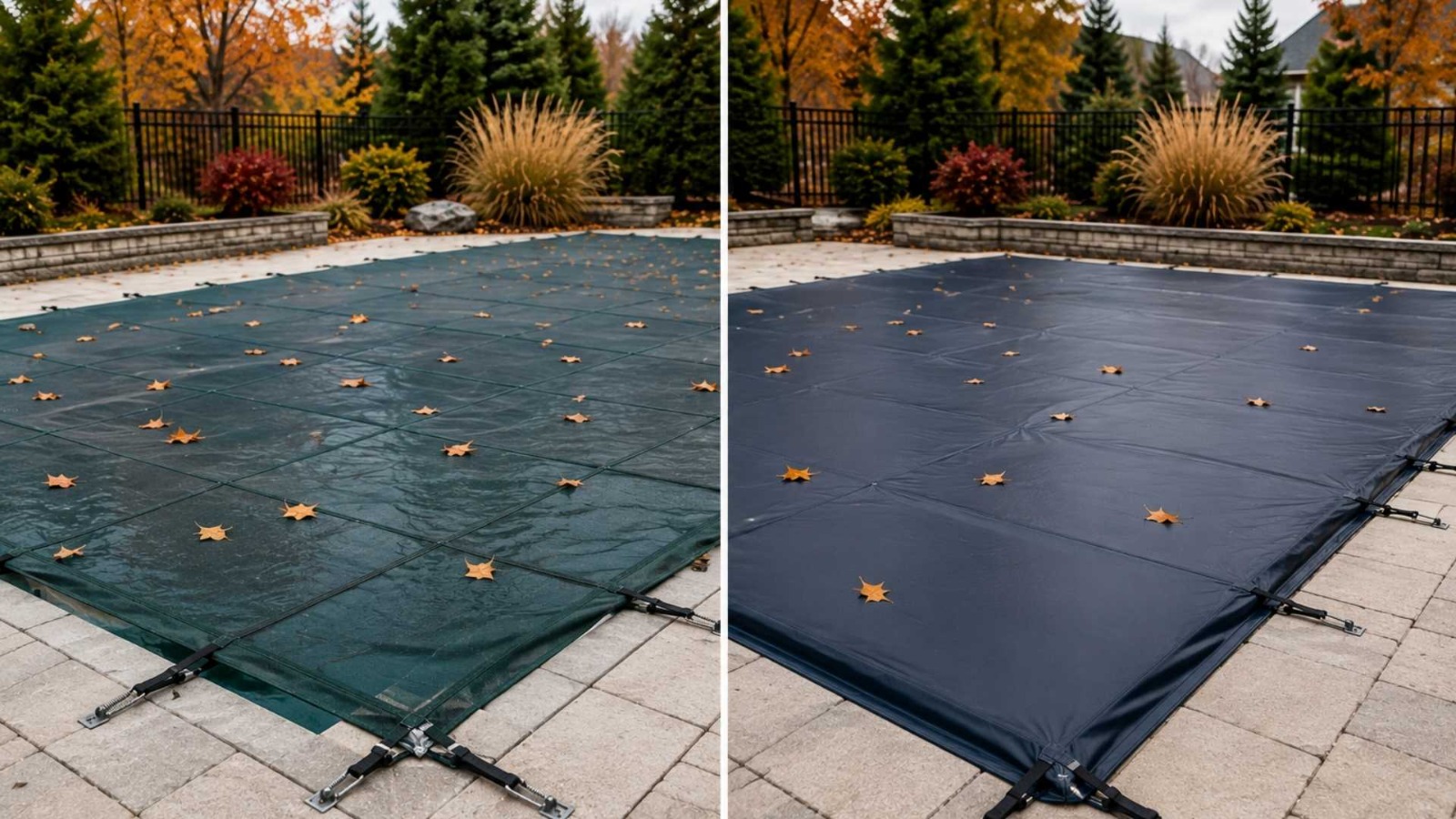
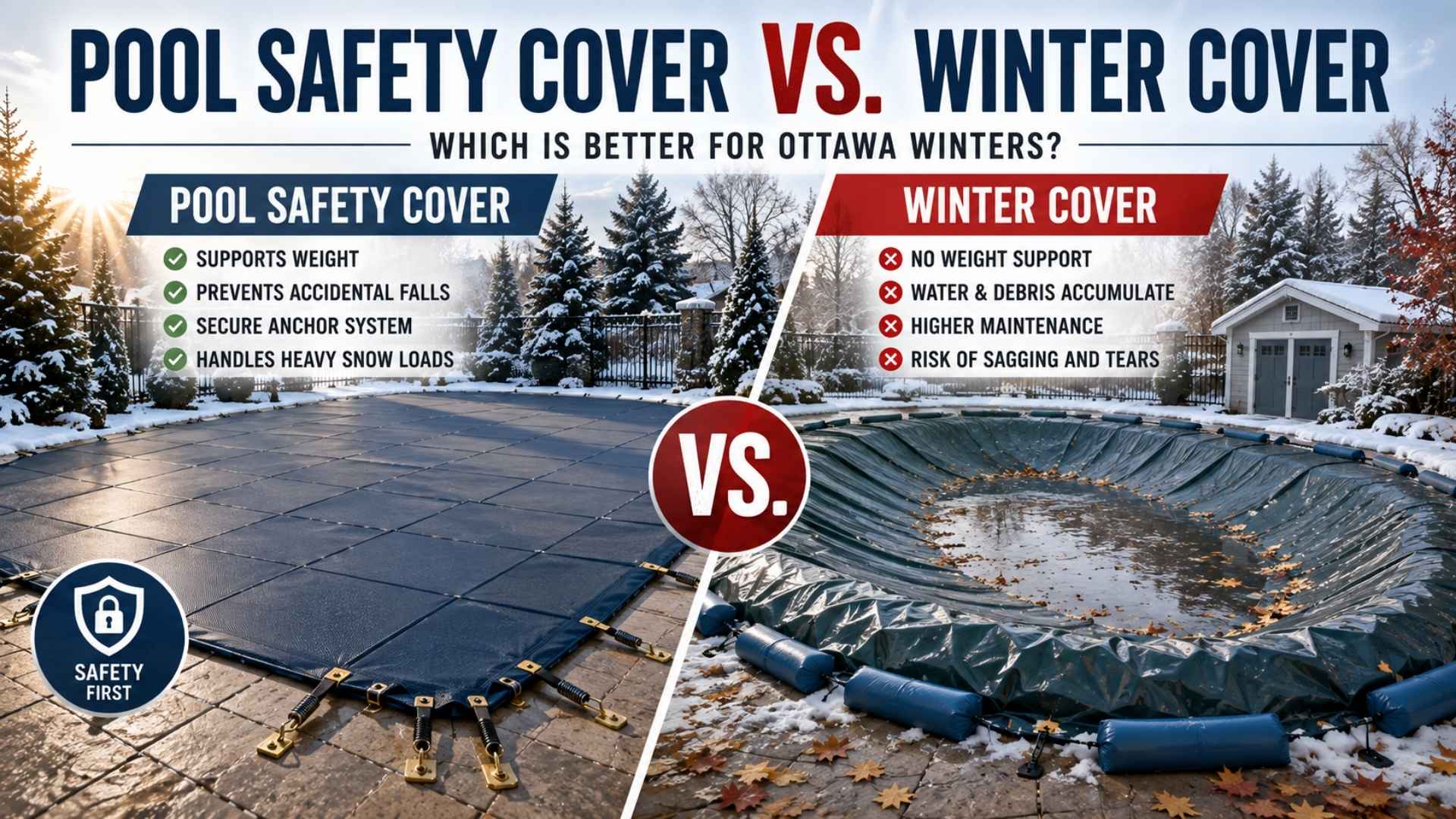
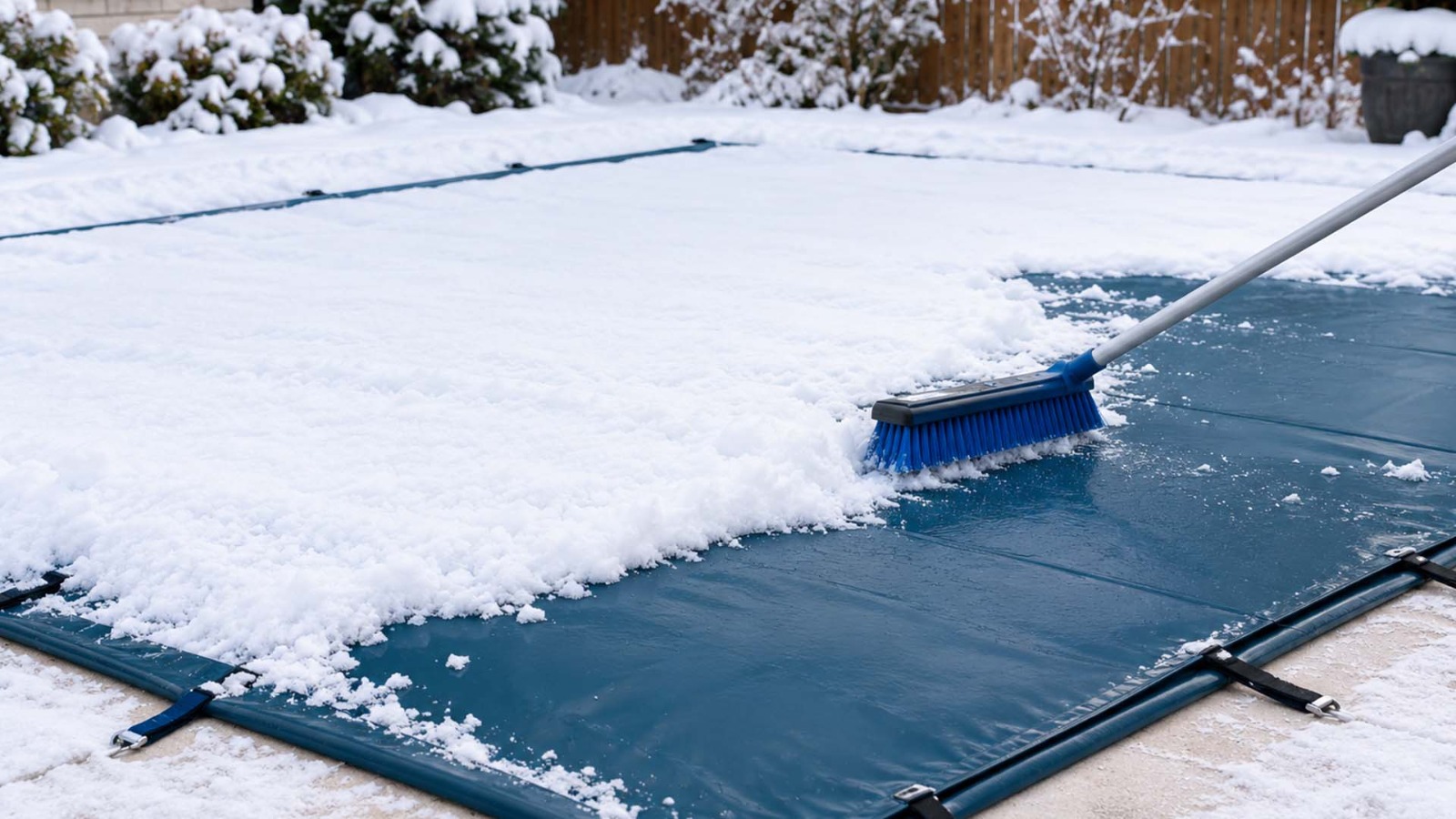
A winter pool cover protects against debris accumulation, sunlight penetration, and severe weather exposure. While a cover reduces surface ice movement and prevents heavy snow accumulation inside the pool, it must be paired with proper plumbing blowout and water balancing. Understanding how winter pool covers protect pools ensures pool owners select the right cover system for Ottawa climate conditions.
What to Inspect When Opening the Pool in Spring
A meticulous spring pool inspection ensures early detection of winter issues. Check for unexpected water loss under the cover, inspect the liner bead around the track, examine skimmer faceplates for cracks, check return fittings for gasket leaks, and verify that underground plumbing holds prime before starting pool pumps. Scheduling certified pool winterization Ottawa experts ensures accurate diagnostics, leak detection, and durable liner repairs.
Freeze-Thaw Pool Damage Risk and Prevention Summary
| Risk Factor | Structural Impact | Prevention Approach |
| Freezing surface water | Ice sheet expansion against liner walls | Maintain water level and use cover tension |
| Repeated freeze-thaw cycles | Ice movement and fitting stress | Proper seasonal pool closing procedure |
| Residual water in plumbing | Pipe rupture and fitting cracks | Blow out plumbing lines and use expansion plugs |
| Pre-existing liner tears | Water leaks under pool structure | Inspect and patch liner before closing |
Frequently Asked Questions About Freeze-Thaw Pool Damage
Can freeze thaw cycle pool damage be repaired in spring?
Minor vinyl liner tears, popped beads, and damaged gaskets can often be repaired during spring opening. However, severe structural wall shifting or underground pipe ruptures may require professional repair or liner replacement.
What causes pool liner cracking in cold weather?
Cold temperatures decrease vinyl flexibility. When combined with liner age, chemical degradation, pre-existing tears, and mechanical pressure from expanding ice sheets, brittle vinyl can split or crack.
Does a winter pool cover prevent freeze-thaw damage?
A winter cover reduces debris accumulation and protects against surface ice movement, but it cannot prevent plumbing or fitting damage on its own without complete line winterization and proper water balancing.
What is the ideal pool water level during winter?
Water levels depend on pool construction, liner type, and cover style. Generally, water should remain below the skimmer level but high enough to support the liner and counteract external soil pressure.
Conclusion: Safeguarding Your Pool Against Ottawa Winters
Ottawa’s freezing and thawing winter climate poses real challenges for swimming pool longevity. Repeated temperature shifts create ice expansion, hydrostatic soil pressure, and fitting stress that can lead to freeze thaw cycle pool damage if left unaddressed. By maintaining proper water levels, completing thorough plumbing blowouts, repairing minor liner flaws before autumn, and hiring professional pool closing services in Ottawa, Ottawa homeowners can protect their investment and ensure a stress-free spring opening.