Ottawa homeowners spend considerable effort preparing pools for winter, focusing on ice, freezing temperatures, and plumbing. However, water movement beneath the pool structure is a problem that often goes unnoticed. When groundwater levels rise around an inground pool in communities like Kanata, Nepean, Barrhaven, Orléans, and Manotick, hydrostatic pressure can build underneath the vinyl liner. Understanding how groundwater pressure pool liner problems develop allows homeowners to recognize early warning signs and take action before the liner sustains serious damage.
Why Does a Pool Liner Float?
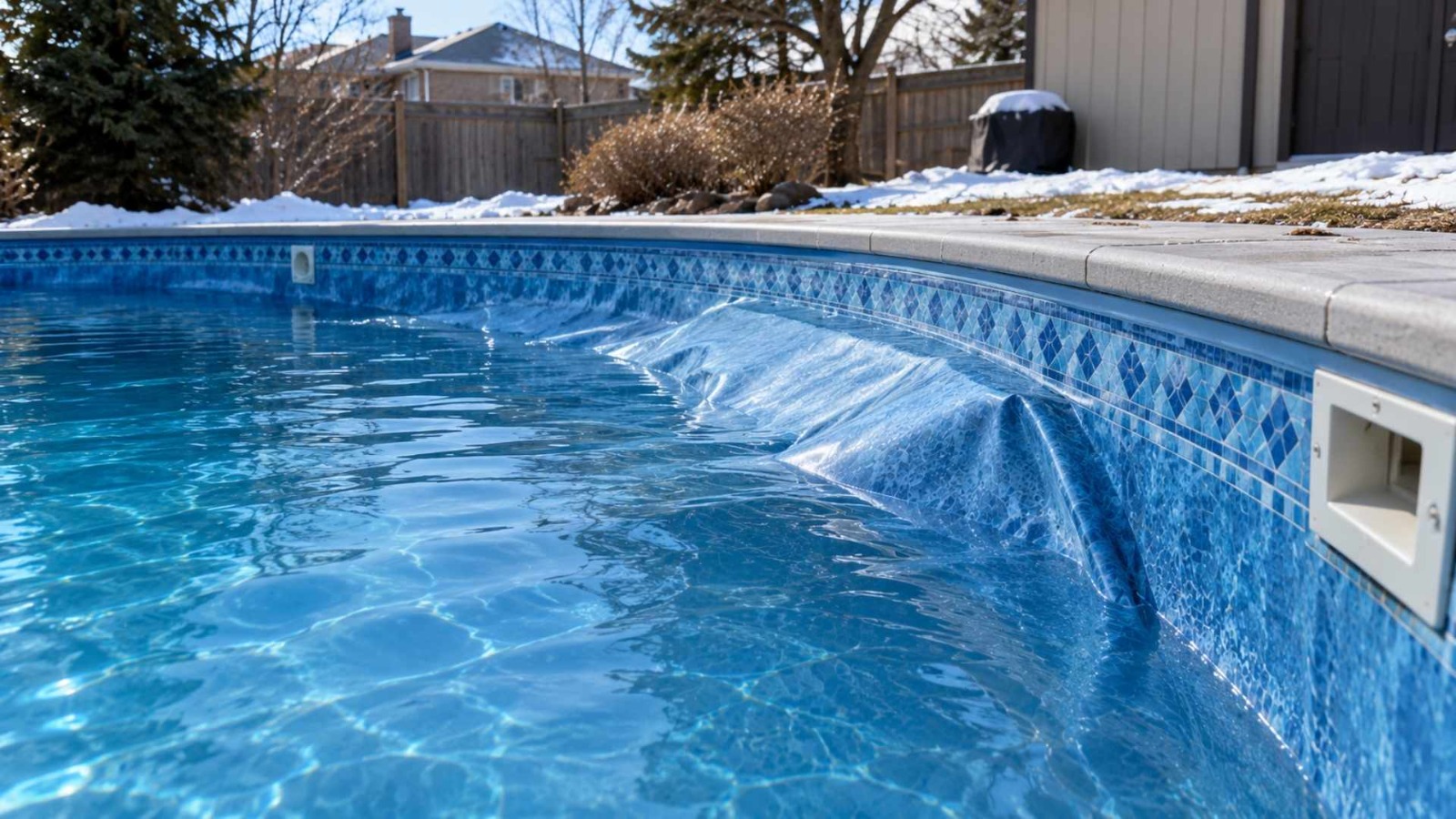
A pool liner floats when groundwater accumulates beneath it and creates upward hydrostatic pressure. This commonly occurs after heavy rainfall, spring snowmelt, or sustained periods of wet weather. Rising water beneath the liner pushes the vinyl away from the pool floor and walls, producing visible wrinkles, bulges, or sections that appear to lift away from the pool structure entirely.
How Groundwater Creates Hydrostatic Pressure Under a Pool Liner
Hydrostatic pressure is the force that standing water exerts on surrounding surfaces. When groundwater collects in the soil surrounding or beneath an inground pool, it presses against the pool shell from the outside. Depending on the pool construction and the surrounding soil drainage capacity, this pressure can act upward beneath the vinyl liner. Groundwater pressure pool liner problems are most common in areas with dense clay soils, poor grading, or inadequate perimeter drainage, all of which prevent water from dispersing naturally away from the pool structure.
When Groundwater Levels Rise
Seasonal factors drive groundwater levels higher during specific periods. Spring snowmelt, autumn storms, and prolonged rainfall saturate surrounding soil, reducing its ability to absorb additional moisture. Once the soil reaches saturation, excess water migrates downward and outward along the path of least resistance, which can be the excavated area around an inground pool shell.
Why Ottawa Winters Worsen Groundwater Problems
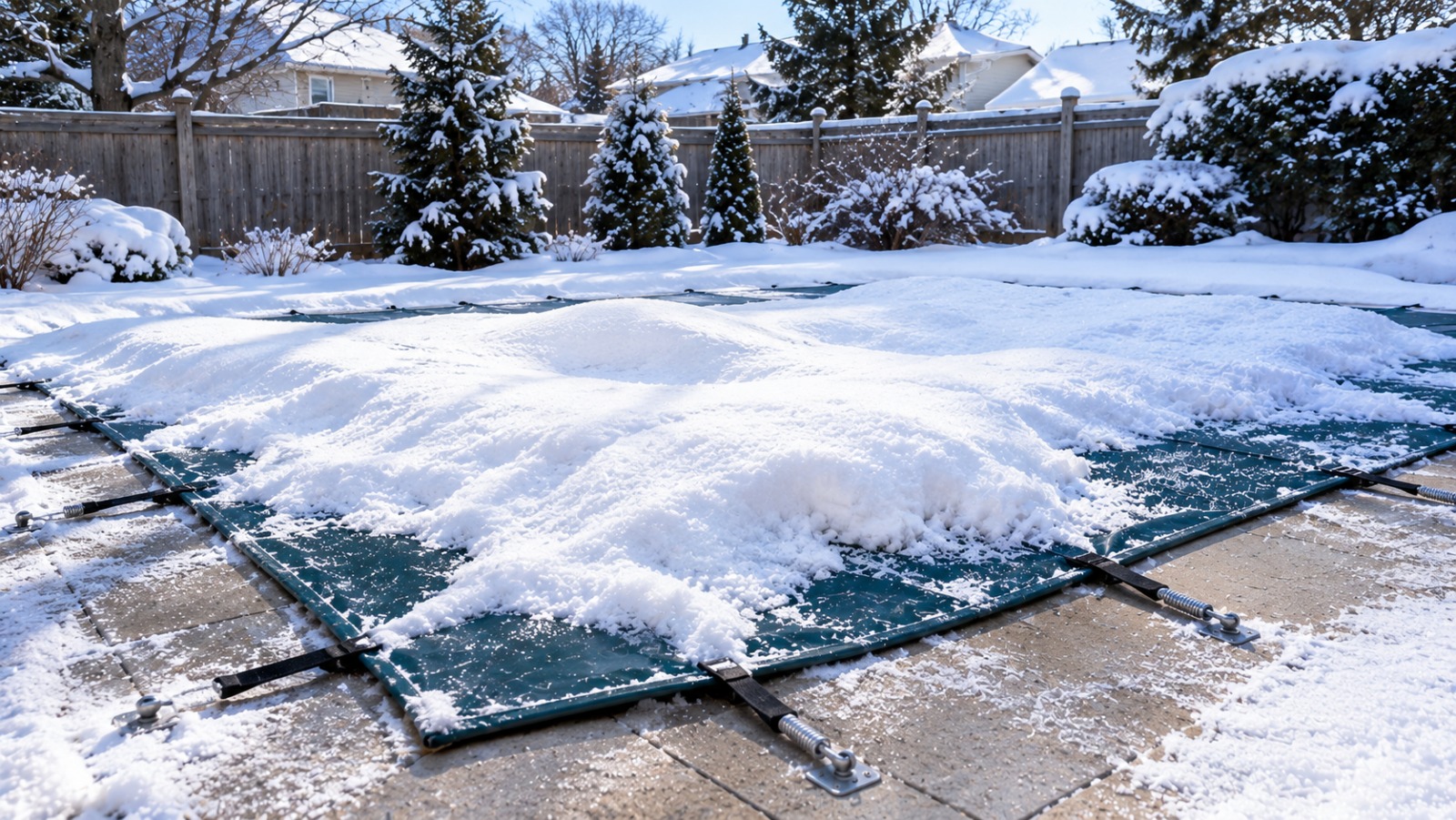
Ottawa winter groundwater conditions intensify due to the region’s high annual snowfall and pronounced freeze-thaw cycles. When deep snowpack begins melting in late winter and early spring, large volumes of meltwater enter the surrounding soil rapidly. Frozen ground below the surface often prevents this water from draining quickly, forcing it to collect around pool structures at depth. Pools in Stittsville, Gloucester, and other areas with clay-heavy soils are particularly vulnerable to waterlogged ground during spring thaw periods.
175
average snowfall per year in Ottawa
About 115
days a year with at least 1 cm of snow on
the ground
Signs of Groundwater Pressure Pool Liner Damage
Recognizing the physical signs of water beneath the liner allows homeowners to respond before the problem worsens.
Visible Liner Movement and Distortion
The most common indicators of groundwater accumulation beneath a liner are changes in how the vinyl sits within the pool shell. Homeowners should inspect the liner floor and walls carefully if heavy rainfall or snowmelt has recently occurred around the pool area.
Floor Bulges and Unusual Wrinkles
Large rounded bulges rising from the pool floor, combined with new deep wrinkles that were not previously present, are key indicators of water pooling beneath the liner. Pool liner bulging from groundwater often feels soft underfoot due to water trapped below the vinyl surface.
Tip
Take dated photos of any bulge or wrinkle, with a tape measure or a familiar object beside it for scale. Repeat after a day or two. Seeing whether the bulge is growing helps a pool professional judge how urgent the situation is.
Liner Pulling Away From Fittings
Sections of liner separating from skimmer faceplates, return jet housings, or the coping bead track suggest the liner is shifting position due to upward displacement. These gaps can allow pool water to flow behind the liner, compounding the existing groundwater issue.
Can Groundwater Damage a Swimming Pool Liner?
Groundwater pressure pool liner damage ranges from minor cosmetic wrinkling to significant structural displacement. Vinyl that has been stretched beyond its elastic tolerance may not return to its original shape even after the water beneath it drains away. Prolonged displacement increases the risk of stress tears developing around fittings, seams, or the coping track. Pool liner repair after groundwater damage depends on how long the liner was displaced, the vinyl’s age, and whether the underlying cause has been corrected.
Possible Causes of a Floating or Wrinkled Pool Liner
| Possible Cause | What It Can Look Like | What Homeowners Should Know |
| Groundwater beneath liner | Floor bulges, widespread wrinkles | Hydrostatic pressure may be involved |
| Water entering behind liner | Localized lifting near fittings | Source of water needs investigation |
| Poor liner installation | Wrinkles or poor fit from the start | May appear shortly after installation |
| Liner aging | Shrinkage, brittleness, surface cracks | Older vinyl loses flexibility over time |
| Pool water level changes | Liner movement or settling | Water balance and pool condition matter |
| Structural movement | Uneven floor areas or shifting walls | Requires professional structural assessment |
How to Prevent Floating Pool Liners
Preventing liner displacement starts with managing water movement around the pool perimeter. Ensuring that property grading directs rainwater and snowmelt away from the pool area reduces groundwater accumulation. Inspecting surface drainage after heavy storms helps identify pooling water near the pool that may eventually migrate underneath the shell.
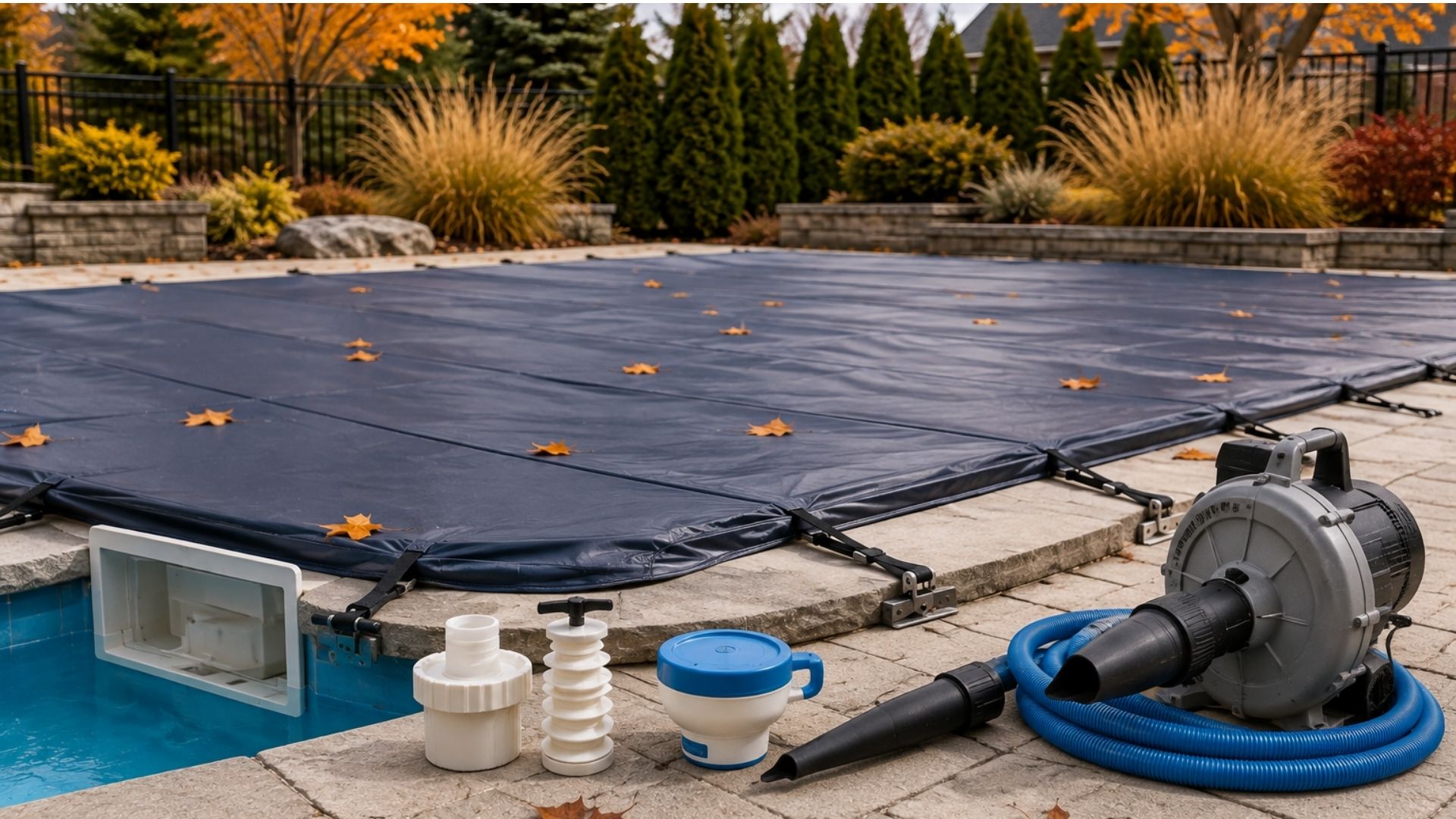
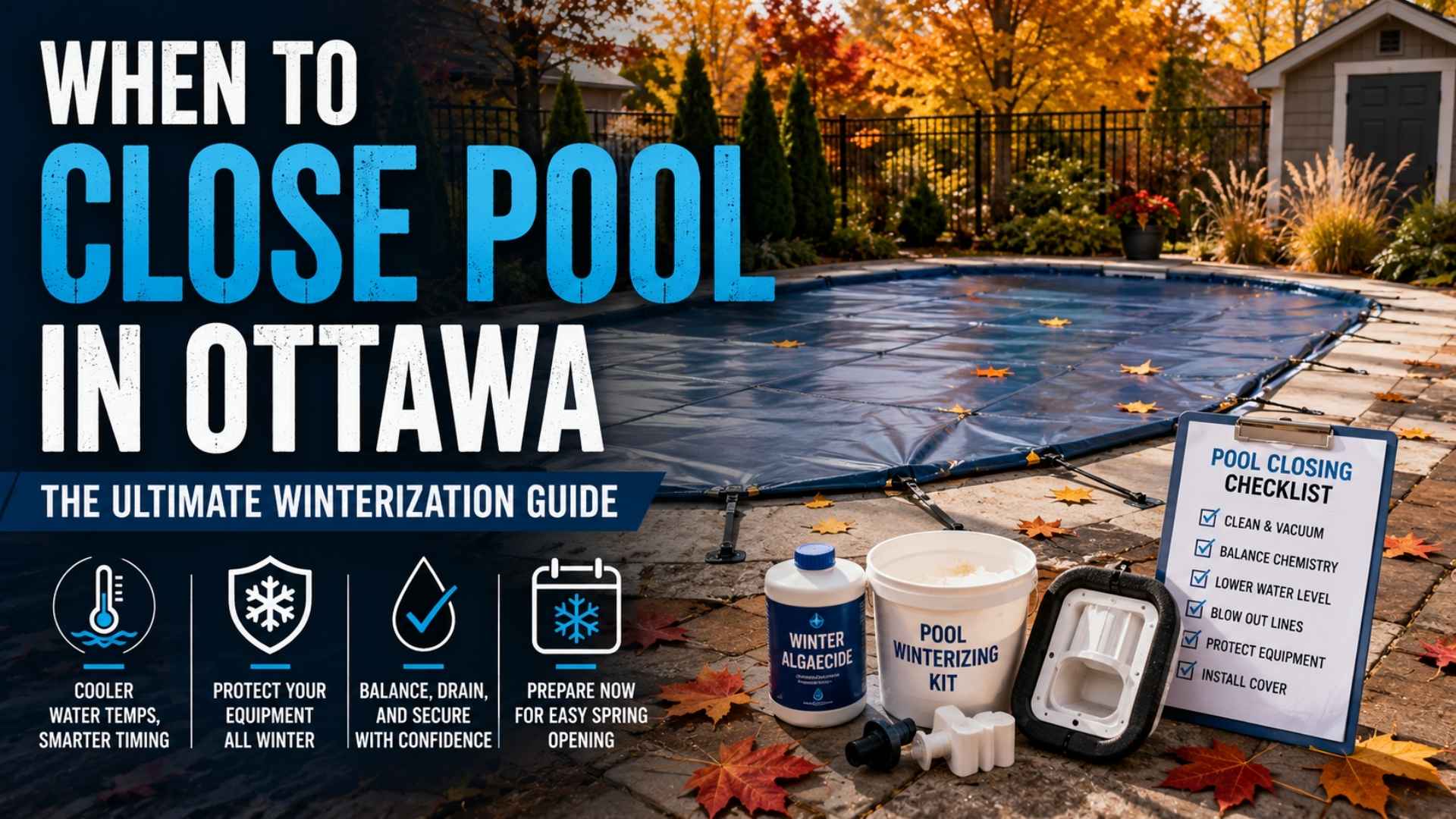
Proper winterization plays a significant role in protecting the liner from groundwater-related stress. Scheduling professional Ottawa Valley Winter Pool Services in Ottawa before sustained freezing conditions arrive ensures pool equipment, water levels, and pool structure are correctly prepared for winter groundwater fluctuations.
What to Do If Your Pool Liner Is Already Floating
If you discover unusual liner movement or bulging, avoid draining the pool without professional guidance. Removing pool water while significant groundwater pressure remains beneath the shell can amplify structural stress, potentially causing the liner to shift further or pool walls to move inward. Contact a qualified pool professional to assess whether the liner can be reset, repaired, or whether the extent of displacement requires pool liner replacement in Ottawa.
Frequently Asked Questions About Groundwater and Pool Liners
Can groundwater actually get underneath a pool liner?
Yes, groundwater can migrate beneath a vinyl liner through the soil surrounding the pool shell. When groundwater levels rise due to rainfall or snowmelt, the accumulated water creates upward pressure that can push the liner away from the floor and walls.
How does hydrostatic pressure damage a pool liner?
Hydrostatic pressure forces the liner upward from its seated position, stretching the vinyl and creating wrinkles and bulges. Stress concentrates around seams and fittings. If the liner remains displaced for an extended period, permanent stretching or tearing can develop.
Should I drain my pool if the liner is floating?
Draining an inground pool while groundwater pressure remains high can increase structural risk and cause additional liner displacement. Contact a pool professional before altering the water level in a pool showing signs of groundwater pressure.
Can a floating pool liner be repaired?
In some cases, a liner that has temporarily lifted can be reset and repaired if the vinyl has not been permanently stretched or torn. Suitability for repair depends on liner age, extent of displacement, and whether the groundwater source has been resolved.
Conclusion: Protecting Your Pool Liner From Groundwater Pressure
A floating pool liner is not simply a cosmetic nuisance. Groundwater, hydrostatic pressure, drainage conditions, and Ottawa’s seasonal weather patterns can combine to place real stress on pool liners and structures. Identifying unusual liner movement early, managing surface drainage, and arranging proper professional winterization reduce the risk of groundwater pressure pool liner damage becoming a costly repair.