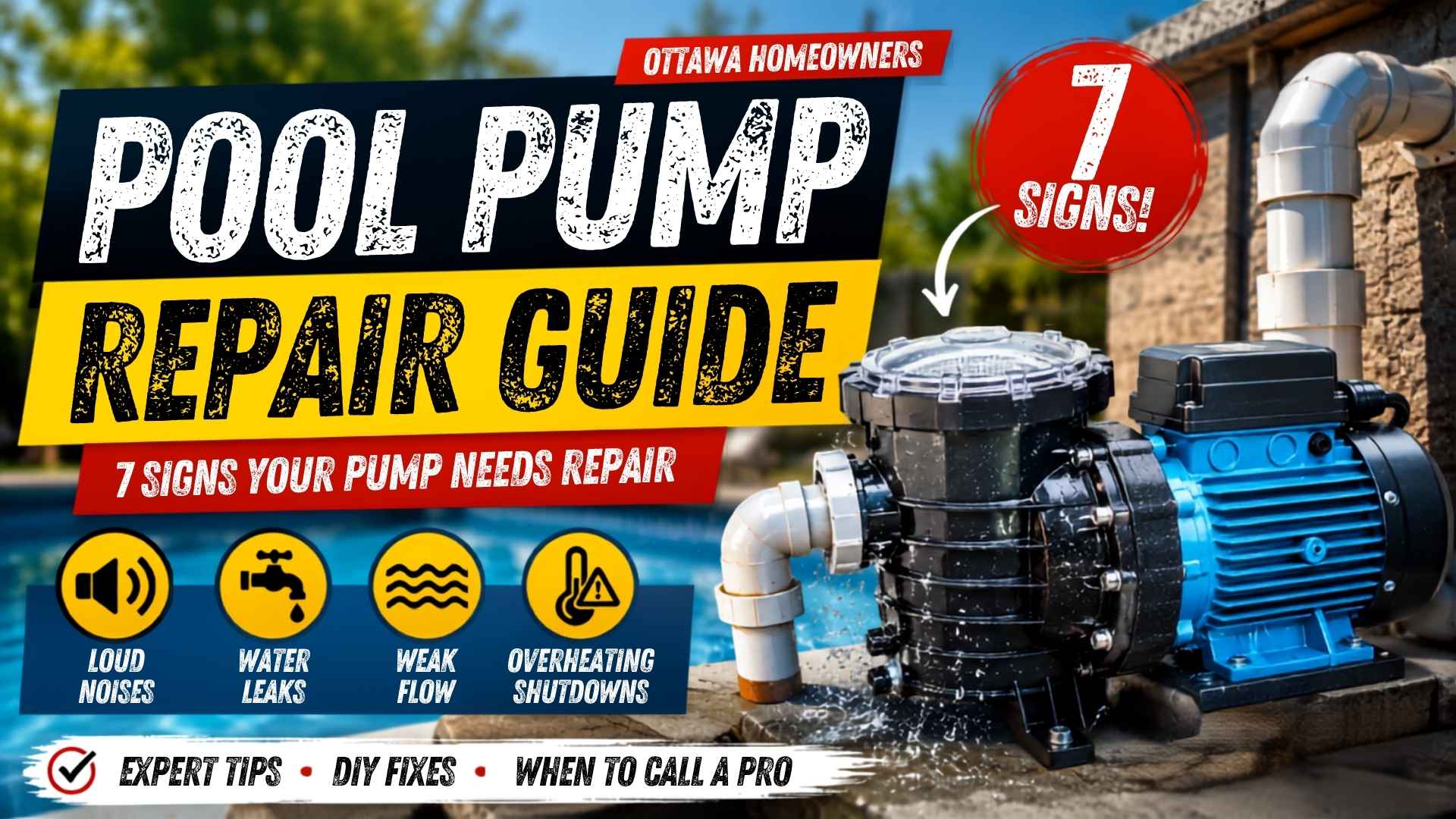
You can determine if your pool pump requires servicing by checking if it makes loud screeching noises, experiences weak water flow, leaks moisture around the seals, or repeatedly shuts down from overheating. Consulting a professional Pool Pump Repair Guide helps homeowners diagnose these issues before they ruin the summer swimming season.
An active swimming pool pump is the heart of your pool’s filtration system, circulating water to distribute sanitizer and filter out organic contaminants. When the pump malfunctions, you risk rapid algae growth and cloudy water. Understanding common swimming pool pump problems and knowing how to troubleshoot them keeps your pool healthy and operating efficiently all summer long.
Why Pool Pumps Matter for Pool Health
Pool Pump Components Homeowners Should Understand
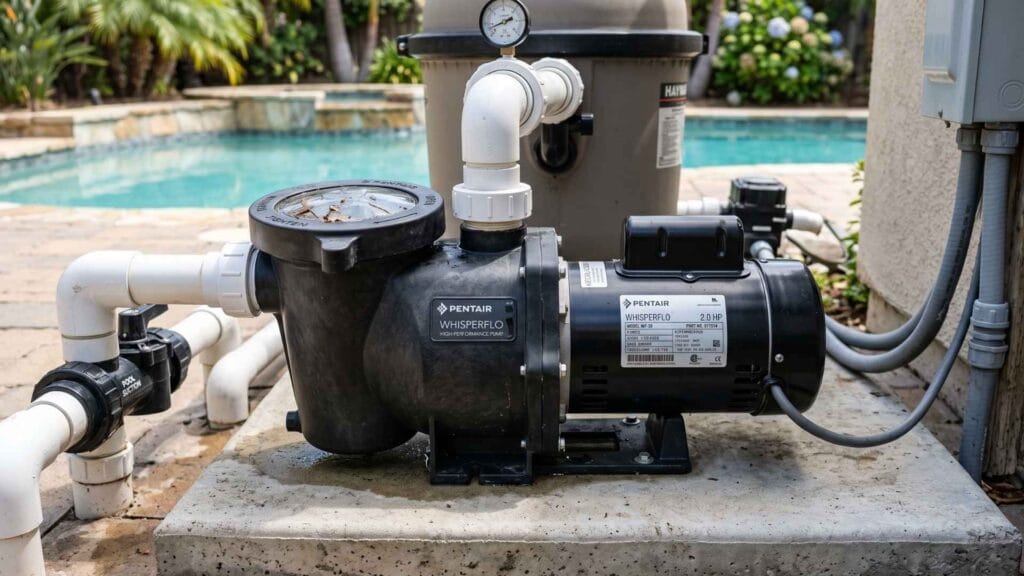
The circulation system relies on several mechanical parts. Its motor spins an impeller to draw water through a basket, pushing it through mechanical seals, the filter, and timer controls. This prevents stagnant water, distributes sanitizer, and filters out debris. Understanding these components is the first step in this Pool Pump Repair Guide to recognizing swimming pool pump problems early.
💡 Tip
Snap a photo of your pump’s label when it is installed or during spring startup. The model number and horsepower rating on that label are the two pieces of information every repair technician will ask for, and they fade fast after a few seasons of sun and moisture.
7 Signs Your Pool Pump Needs Repair
Signs a Pool Pump is Failing: Pool Pump Repair Guide
Noise, Low Water Circulation, and Priming Issues
Grinding, screeching, or rattling sounds are common noisy pool pump causes that indicate worn bearings or debris trapped in the impeller. Weak return jet flow indicates low water circulation in pools, which is often caused by clogged baskets or a failing impeller. If the pump constantly loses prime, air is typically entering the system through loose suction fittings or a cracked lid.
💡 Tip
A screeching noise that gets louder over several days almost always points to worn bearings, not a debris blockage. A rattling noise that appears suddenly and varies with motor speed is more likely something trapped in the impeller. Knowing the difference helps you describe the issue accurately before calling a technician.
Leaks, Overheating, Poor Filtration, and High Energy Bills
Water leaking around the pump housing points to cracked shaft seals or worn O-rings. If neglected, moisture seeps into the motor compartment, causing total electrical failure. Overheating or unexpected motor shutoffs indicate blocked air vents, thermal overload, or electrical strain. Poor circulation leads to dirty pool water, while an inefficient motor draws excess electricity, causing rising energy bills.
Common Pool Pump Problems Ottawa Homeowners Face
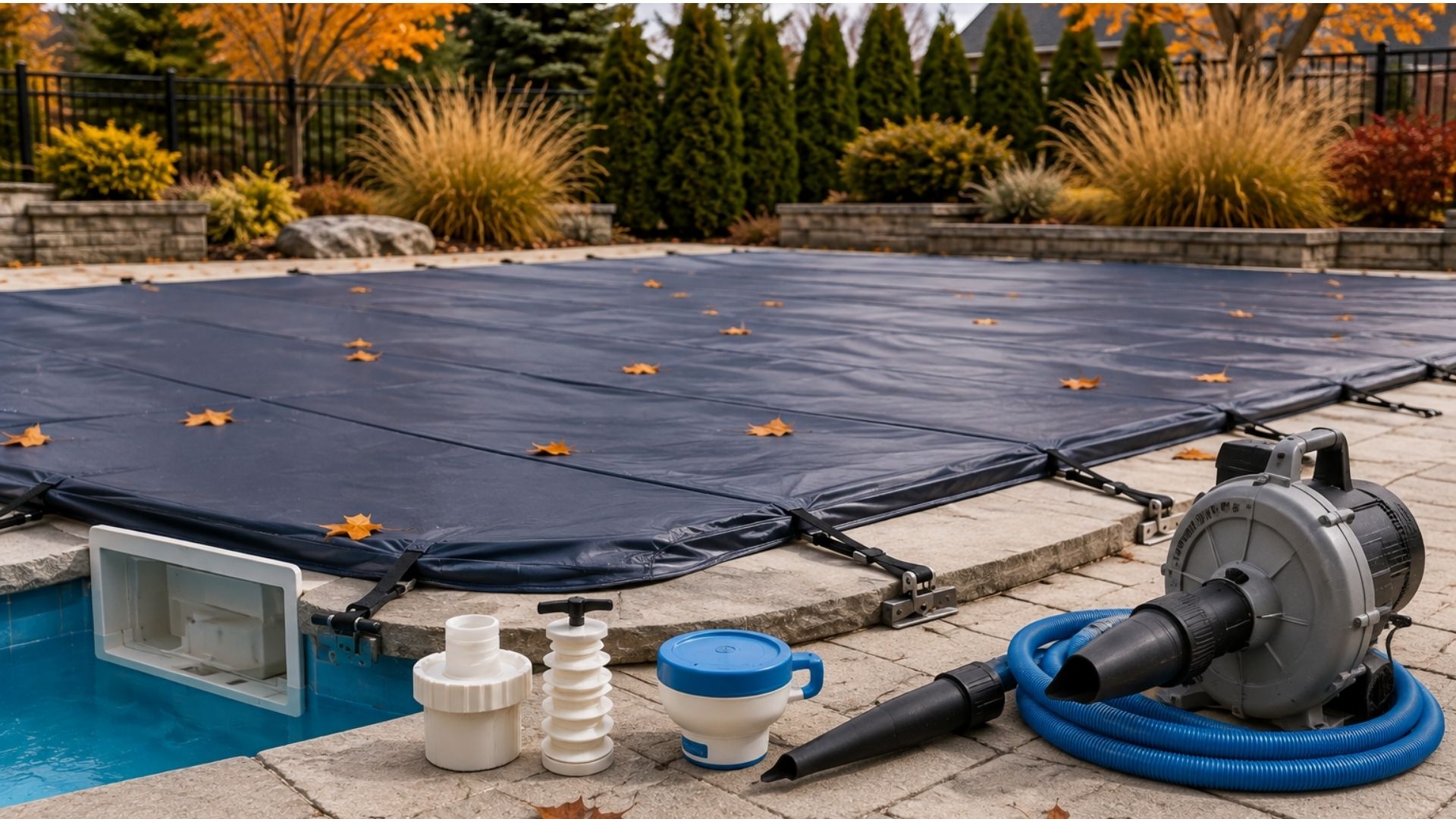
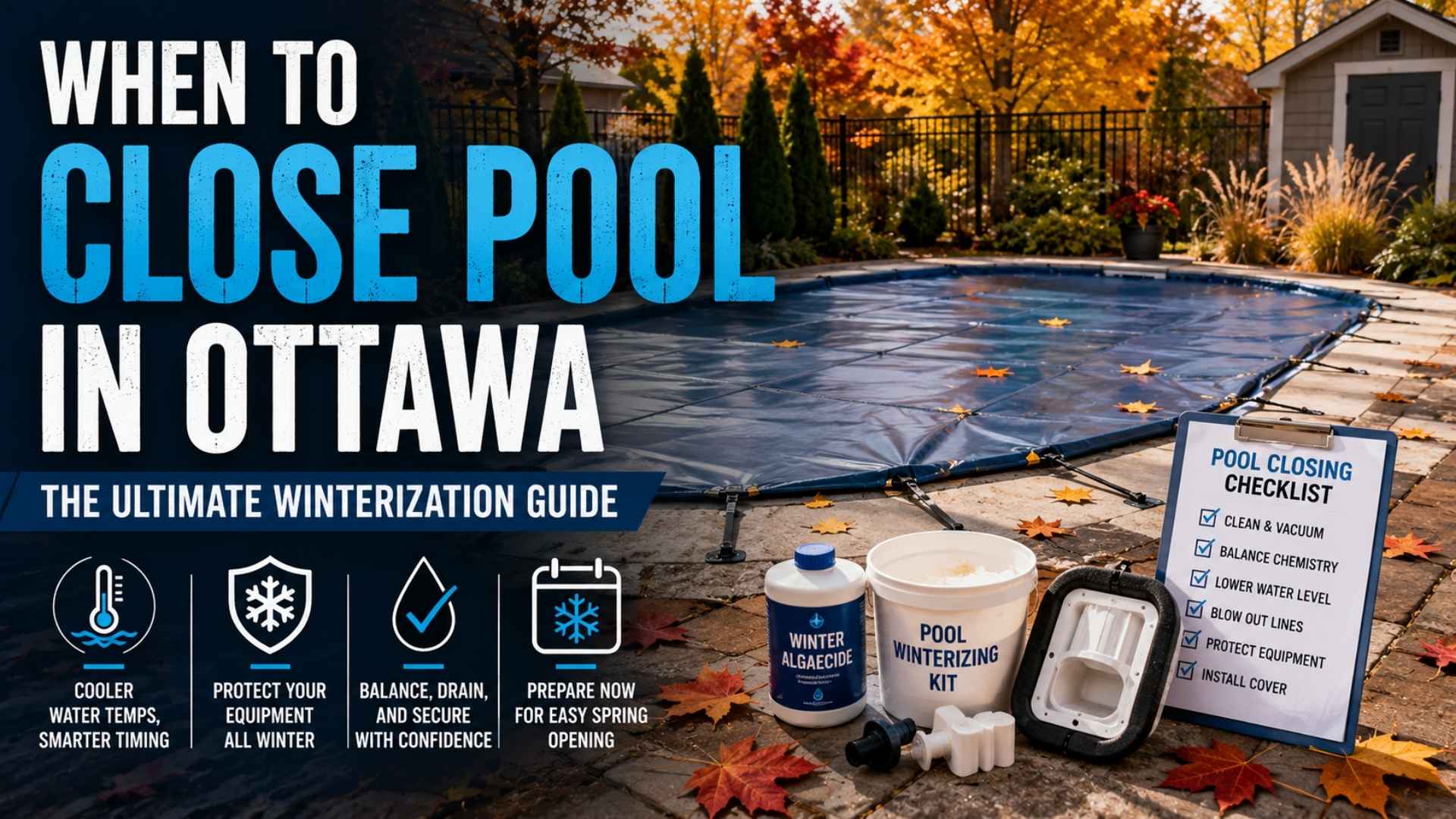
Ottawa’s winters bring freeze-thaw cycles that cause winter freeze damage and cracked pump housings if winterization mistakes occur. Reviewing professional advice on closing a pool in Ottawa prevents these costly winterization errors. During spring startups, heavy pollen and debris clog baskets, straining the motor, while long summer operating hours accelerate motor wear. This Pool Pump Repair Guide helps troubleshoot these seasonal challenges.
⚠ Ottawa Winter Warning
Any water left inside the pump housing over winter will expand when it freezes, cracking the volute or damaging the impeller. Even one freeze event is enough to turn a repairable pump into an unrepairable one. Draining the pump casing completely before temperatures drop below zero is not optional in Ottawa’s climate.
Step-by-Step Pool Equipment Troubleshooting Guide
DIY Troubleshooting Steps for Pool Motor and Filter Issues
To resolve common pool motor and filter issues, follow this practical pool equipment troubleshooting guide. First, verify water levels are in the middle of the skimmer. Next, clean the skimmer and pump strainer baskets. Check the pump lid for a tight seal and grease the O-ring. Finally, backwash if filter pressure rises 8 to 10 PSI above clean readings.
Troubleshooting Table: Pool Pump Repair Guide
| Problem | Possible Cause | Recommended Solution |
| Loud pump noise | Worn bearings or debris | Replace bearings or clean impeller |
| Weak circulation | Clogged basket or filter | Clean skimmer, pump basket, and filter |
| Pump overheating | Blocked vents or electrical fault | Clear air vents or contact technician |
| Water leaks | Damaged shaft seal | Replace pump shaft seal and O-rings |
Repair vs Replacement: Which Is Better?
When to Repair or Replace a Pool Pump
Deciding when to repair or replace a pool pump depends on age and damage. If under five years old, repairing minor issues like a bad capacitor or shaft seal is cost-effective. However, if the motor has water damage or is over ten years old, replacement is better. Upgrading to a variable-speed pump offers significant electricity savings.
When to Call a Professional Pool Equipment Expert
While basic troubleshooting is simple, attempting electrical diagnostics or replacing bearings without expertise is dangerous. For complex issues, contact Ottawa Valley Pools for professional Pool Equipment Repair and Replacement in Ottawa. Knowing when to call a pool equipment repair expert prevents minor issues from causing complete motor burnouts. Our technicians provide the reliable pool pump repair Ottawa homeowners trust to keep pools clear.
⚠ Electrical Safety Warning
Pool pump motors run on 120V or 240V household current. Diagnosing a capacitor, rewiring a terminal block, or testing motor windings without proper electrical training can result in serious injury or electrocution. If the troubleshooting steps above do not resolve the issue, stop and call a licensed technician rather than working further into the motor compartment.
Frequently Asked Questions
How do I know if my pool pump needs repair?
Watch for loud screeching, leaks, weak pressure, loss of priming, or the motor shutting off.
Why is my pool pump making loud noises?
Grinding or screeching indicates worn bearings, while rattling suggests debris in the impeller or a loose pump.
Can a pool pump be repaired instead of replaced?
Yes, worn seals, failed capacitors, or clogged impellers are repairable. However, damaged or old motors should be replaced.
How long should a pool pump last?
A pool pump lasts 8 to 12 years with regular basket cleaning, proper winterization, and timely bearing repairs.
What causes low circulation in a pool?
It is caused by dirty filters, clogged skimmer or pump baskets, air leaks, or a clogged impeller.
Is it safe to run a noisy pool pump?
No. Running a pump with bad bearings or impellers leads to motor overheating, permanent damage, and electrical hazards.
Conclusion
A functioning pool pump is essential for clear water and protecting your investment. Recognizing early signs a pool pump is failing helps you resolve swimming pool pump problems before motor failure. Consulting this Pool Pump Repair Guide and scheduling professional inspections ensure a hassle-free swimming season.