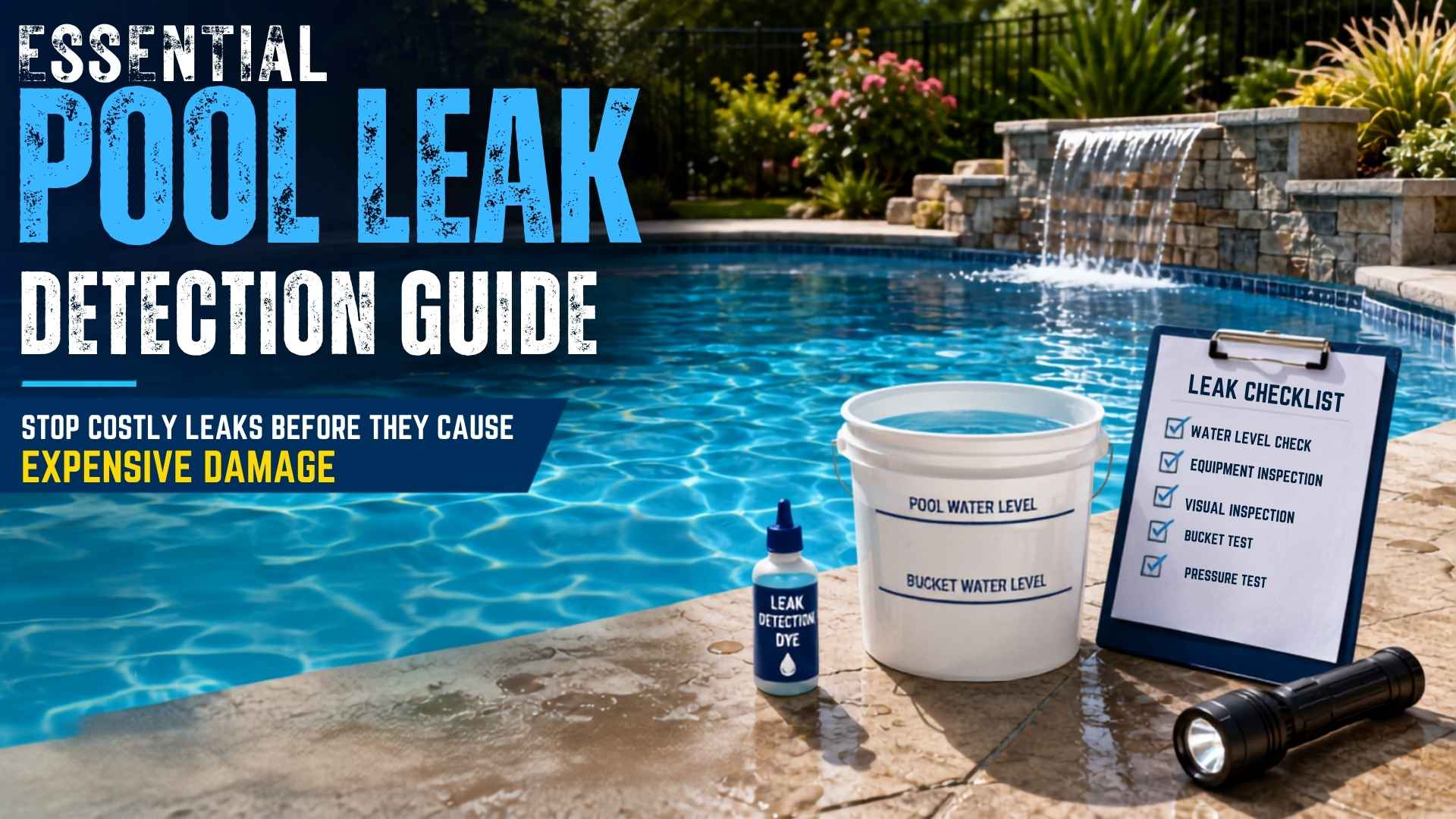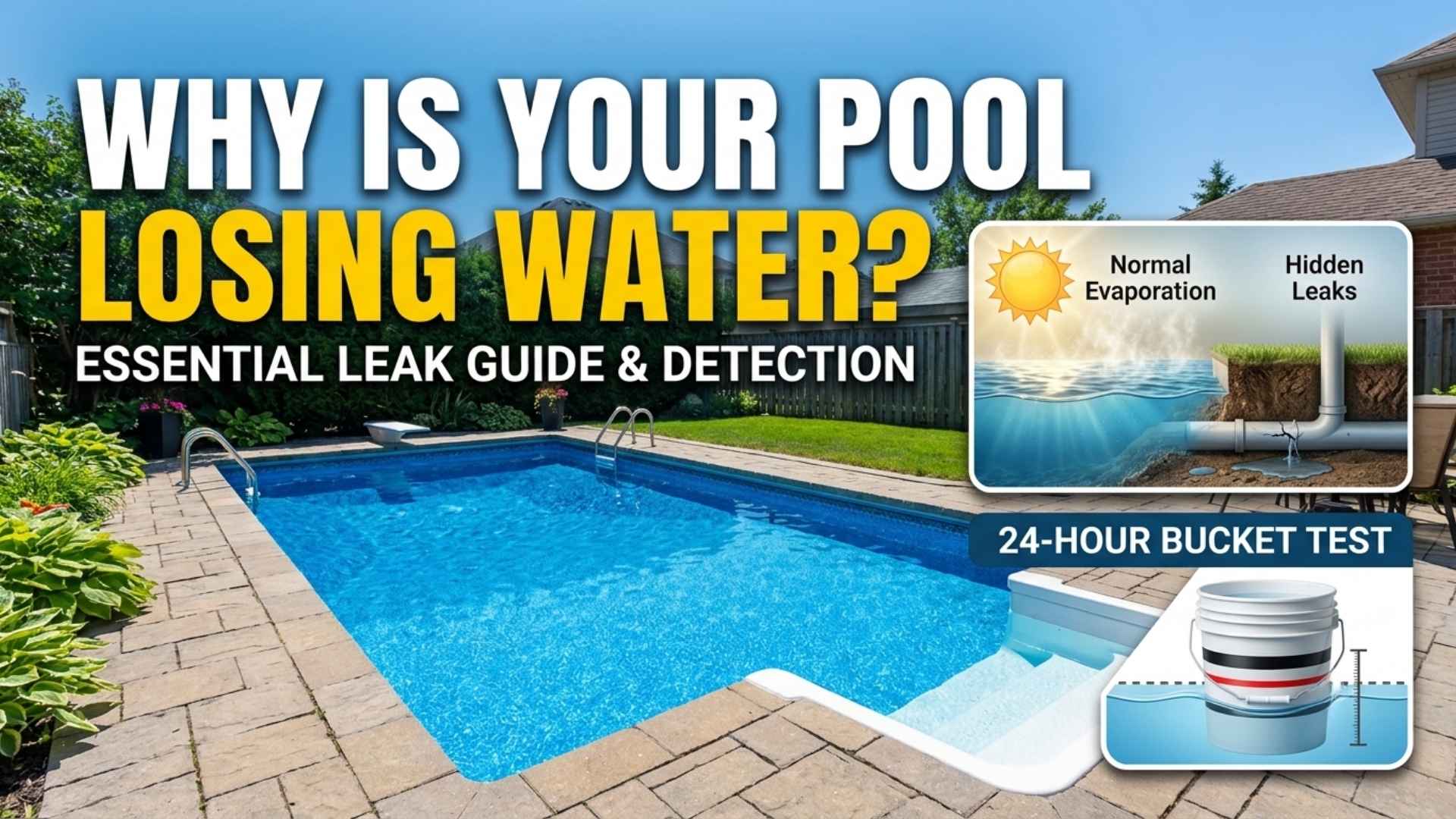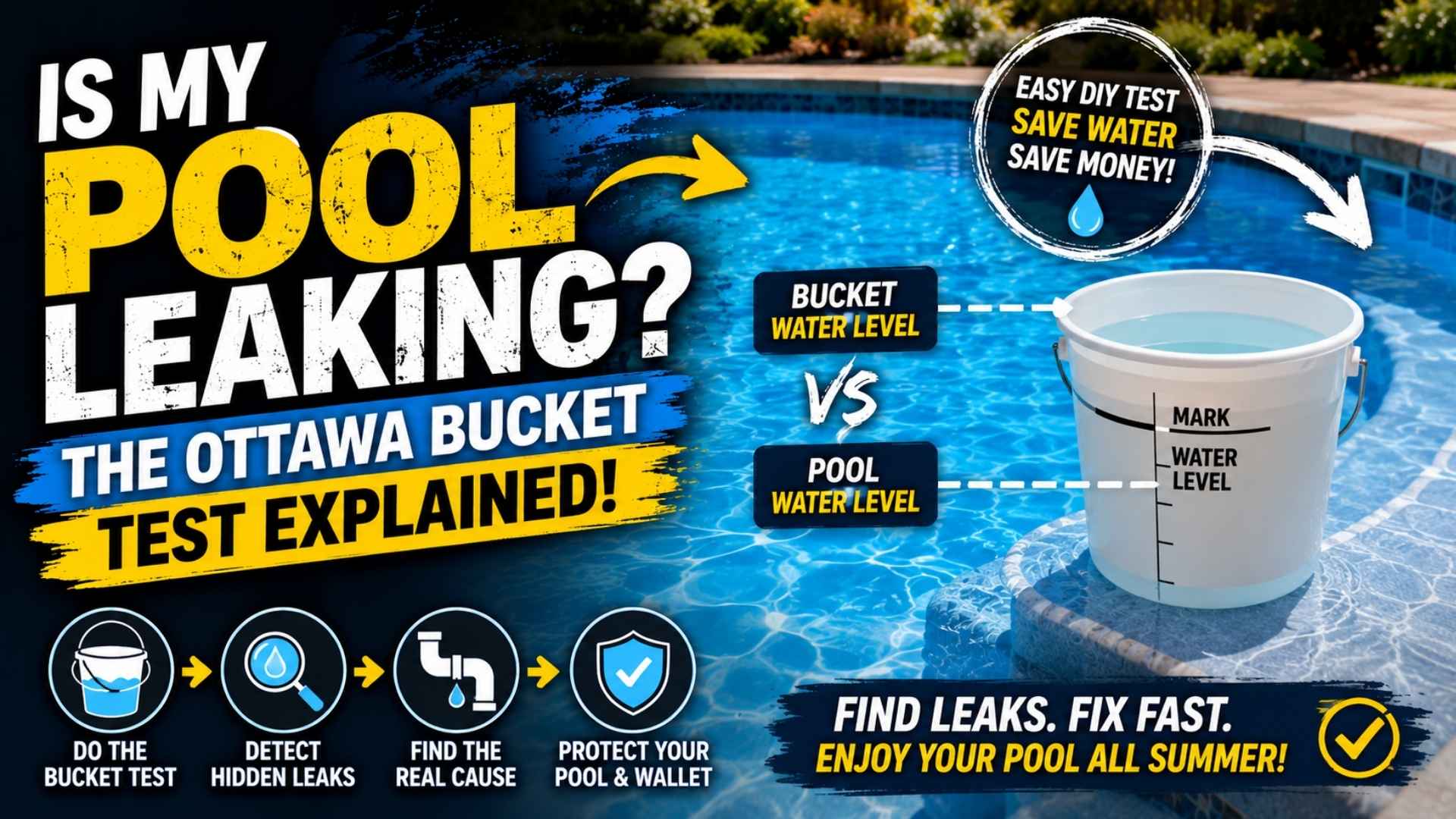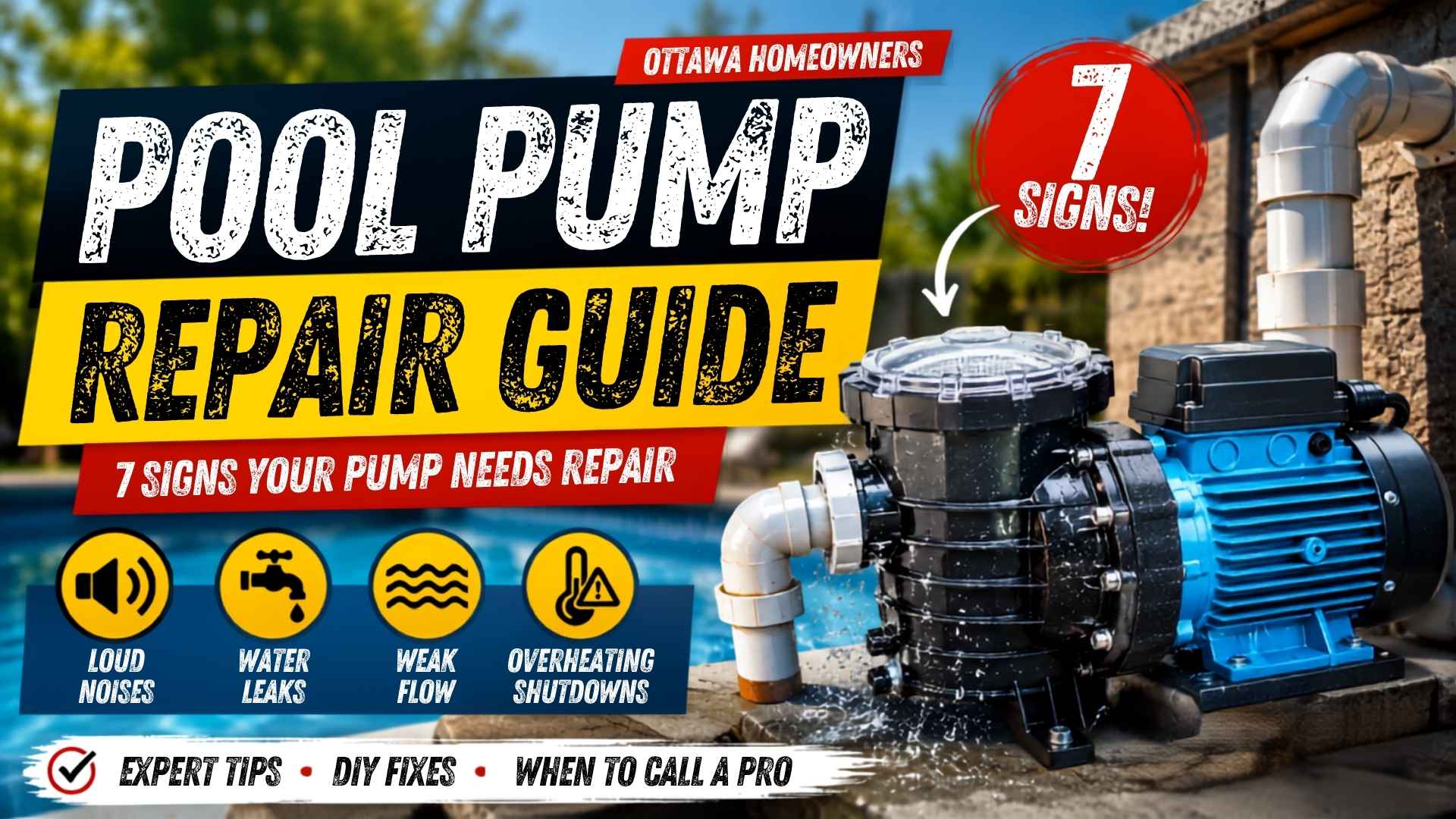
Preparing your swimming pool for the harsh Ontario off-season requires more than pulling a vinyl tarp across the surface. Following a thorough pool closing guide helps Ottawa homeowners safeguard structural components, preserve chemical balance, and avoid catastrophic plumbing repair bills caused by sudden autumn frosts. As temperatures drop across Kanata, Nepean, and Orléans, establishing a systematic winterization routine protects pumps, heaters, and underground plumbing lines against deep freeze cycles.
What Is Included in Pool Closing?
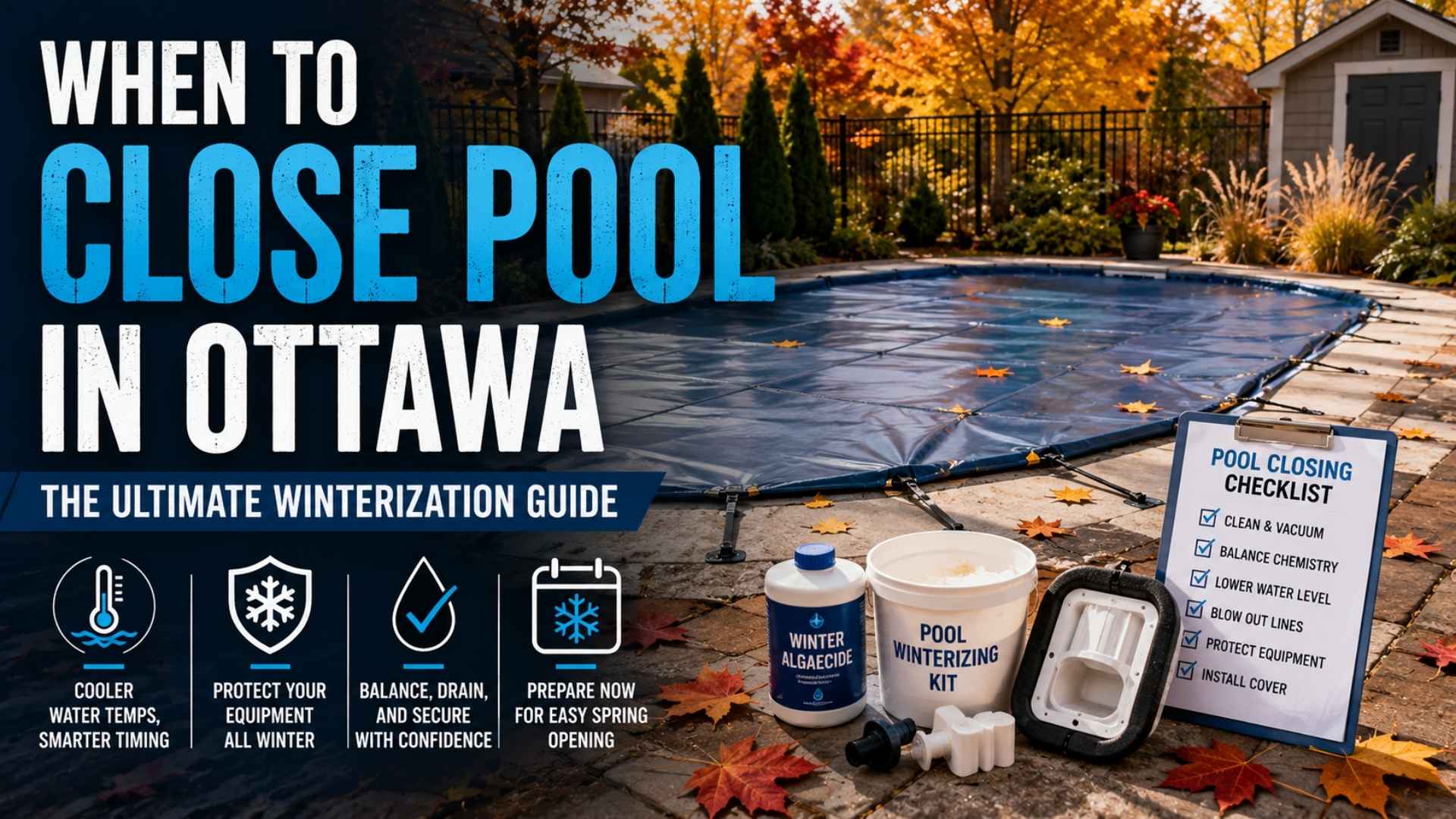
A standard professional pool closing guide includes deep cleaning the pool basin, balancing water chemistry, lowering water levels, draining pumps and filtration equipment, blowing out subterranean plumbing lines, installing skimmer freeze protection, and tightly securing a durable winter cover. These essential steps prevent expanding ice from rupturing underground pipes and protect mechanical equipment pads throughout freezing Canadian winters.
What Pool Closing Means and Why It Matters in Ottawa
Defining the Seasonal Shutdown and Winterization Process
Seasonal shutdown is the comprehensive process of preparing a pool for winter storage. Rather than simply stopping pump operation, proper winterization balances water chemistry, isolates mechanical components, and clears moisture from vulnerable lines. Understanding how to close a pool for winter ensures your backyard investment remains structurally sound during extended sub-zero weather across Stittsville and Barrhaven.
Why Ottawa Cold Demands Strategic Winterization
Ottawa experiences prolonged sub-zero temperatures and severe freeze-thaw cycles from late autumn into early spring. Water expands by roughly nine percent when freezing. If residual water remains trapped inside rigid PVC plumbing, skimmer throats, or pump casings, the expanding ice exerts immense pressure that cracks heavy plastic and metal housing components. Consulting experienced guidelines on closing a pool in Ottawa tips helps prevent costly structural ruptures during severe Ottawa cold snaps.
74
frost days a year in Ottawa when overnight temperatures drop to 0°C or below
150
days a year where Ottawa’s minimum temperature suits at or below freezing
⚠ Timing matters
Frost typically returns to Ottawa by early October, well before most homeowners plan to close their pool. Waiting for a warm stretch of fall weather before you book your closing is a common reason lines don’t get fully purged in time.
Complete Pool Closing Guide: What Is Included in Winter Preparation
Knowing what is included in pool closing enables homeowners to verify that every component of their pool system receives adequate freeze protection before snow falls.
1. Water Chemistry and Basin Cleaning Essentials
A clean pool with balanced water chemistry prevents staining, scaling, and severe algae growth under winter covers during the long off-season.
Thorough Debris Removal and Wall Scrubbing
Organic debris left at the bottom of a pool consumes chlorine sanitizer rapidly and causes deep vinyl staining. Brushing tile lines, vacuuming sediment, and cleaning skimmer baskets form the foundation for steps for closing a swimming pool successfully.
Chemical Balancing and Winter Shock Application
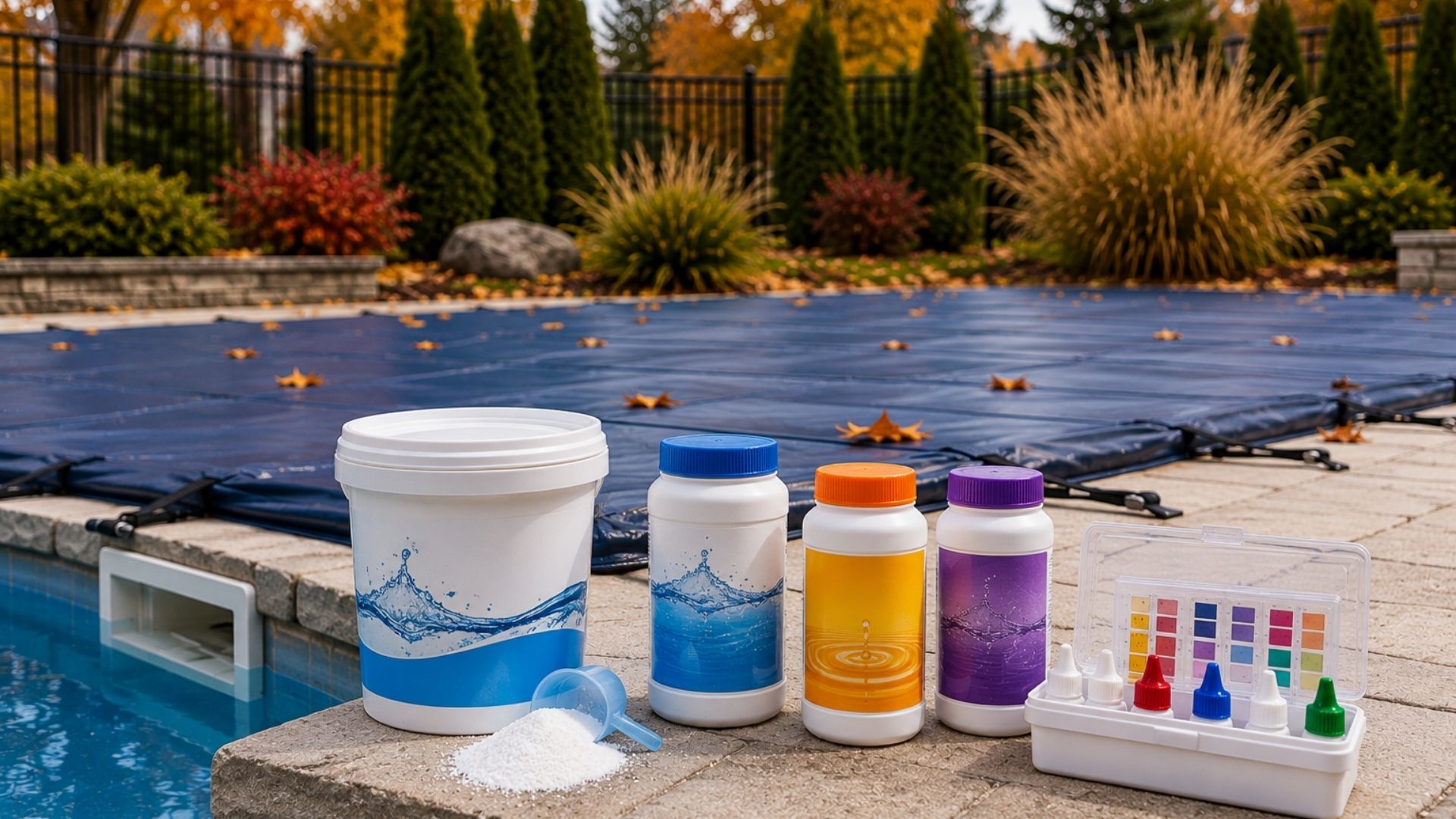
Adjusting total alkalinity (80 to 120 ppm), pH levels (7.2 to 7.6), and calcium hardness stabilizes water chemistry. Adding non-copper algaecide and winter pool chemicals prevents cloudiness and protects interior surfaces against acidic etching during freeze periods.
Tip
Test and adjust your chemistry a few days before your scheduled closing date, not the same morning. That buffer gives you time to correct a stubborn pH or alkalinity reading instead of covering the pool with water that’s still out of range.
Protecting Pool Equipment and Mechanical Systems
Protecting pool equipment during winter involves draining all water from circulation components to prevent severe frost damage on the equipment pad.
Draining Equipment and Pump Winterization
Performing proper pool pump winterization requires removing housing drain plugs from pump strainers, sand or cartridge filter tanks, gas heaters, and chlorinators. All removable plugs and accessories should be stored inside pump baskets to prevent loss during winter storage.
Line Blowout and Skimmer Protection
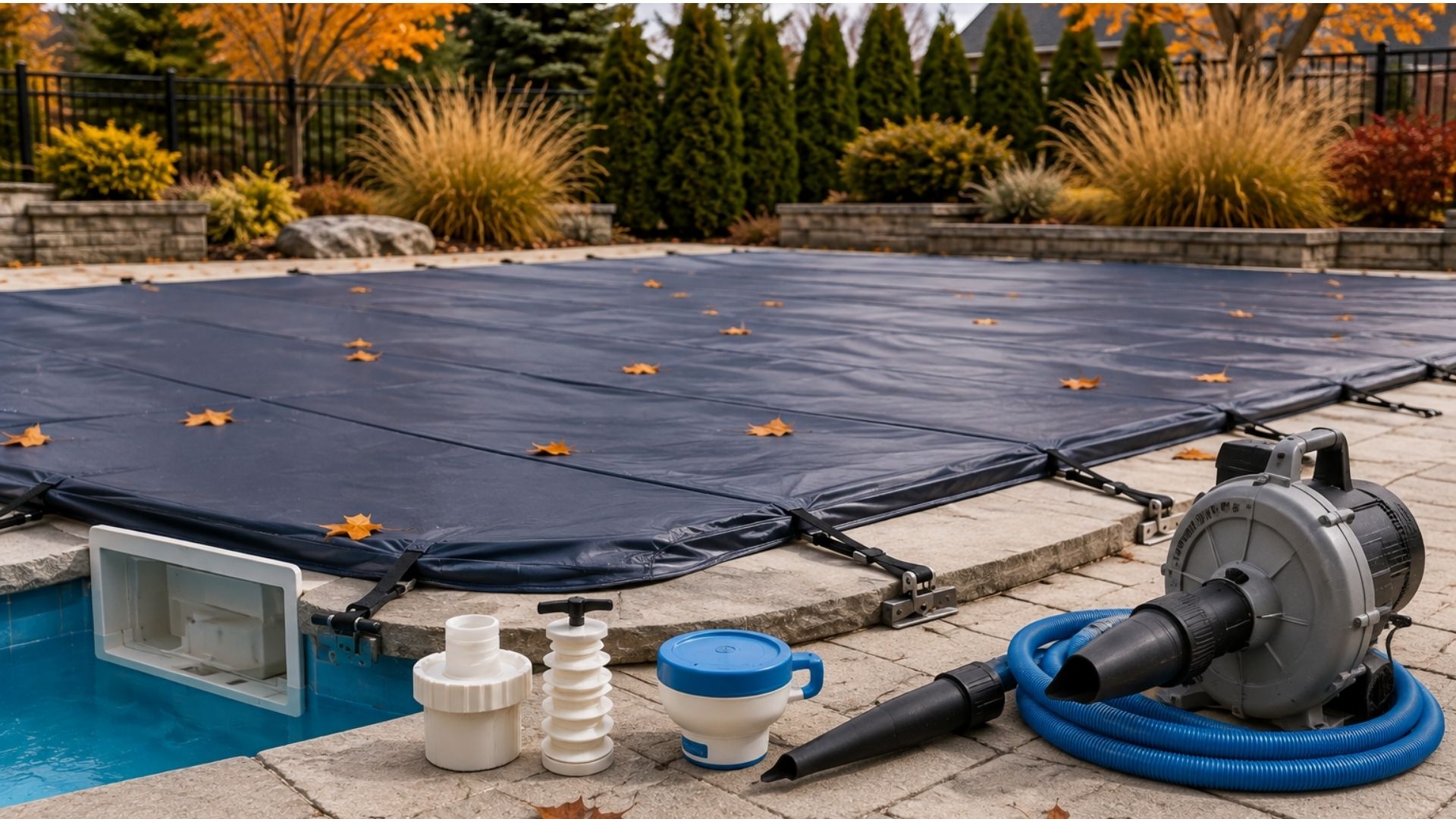
Preventing frozen pool pipes requires clearing subterranean plumbing with high-volume air pressure. Blowing out suction and return lines forces all standing water out before specialized winter expanding plugs are tightened. Installing skimmer protection like Gizzmo expansion tubes absorbs ice pressure inside skimmer housings.
Water Level Adjustment and Winter Cover Installation
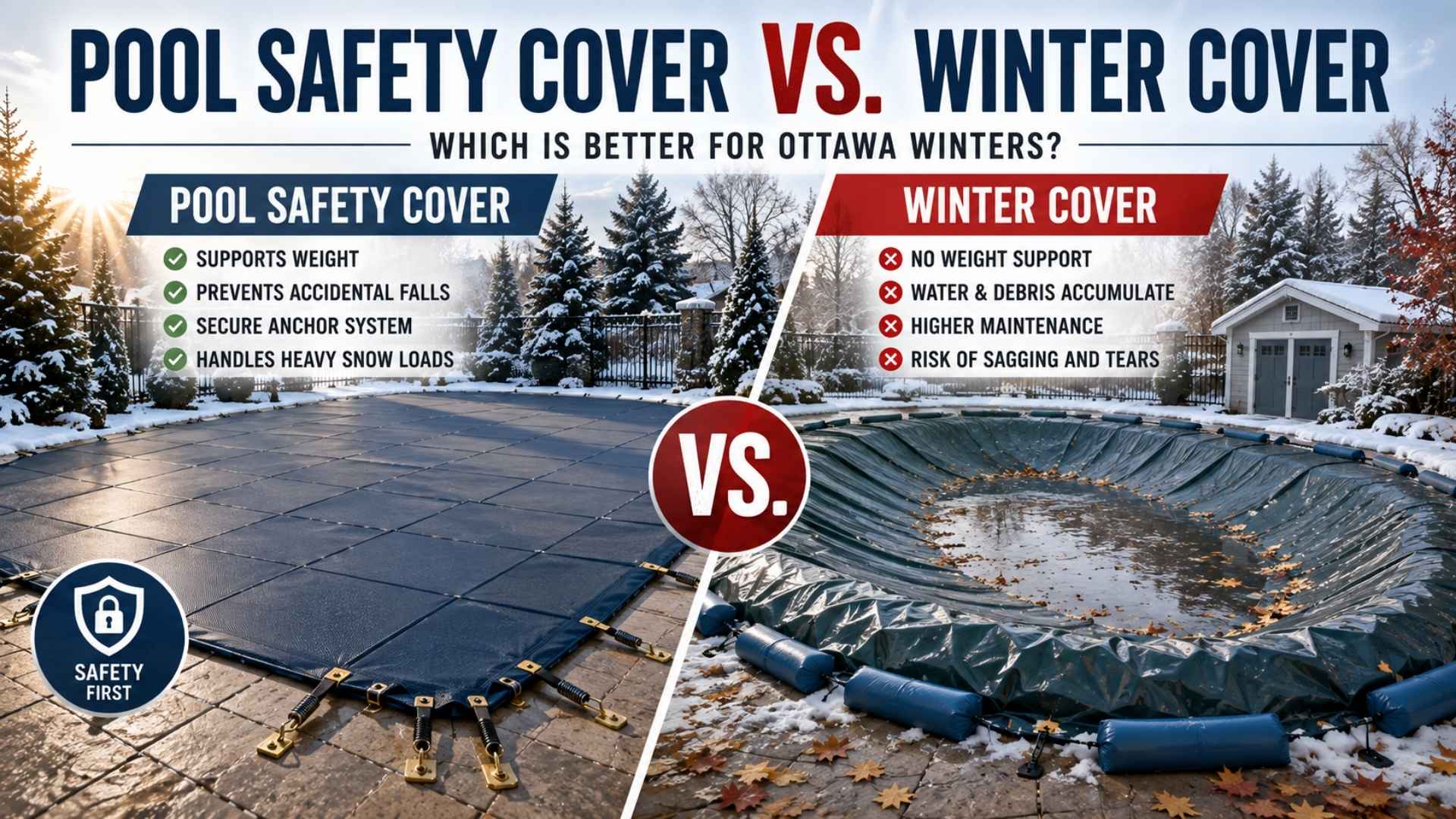
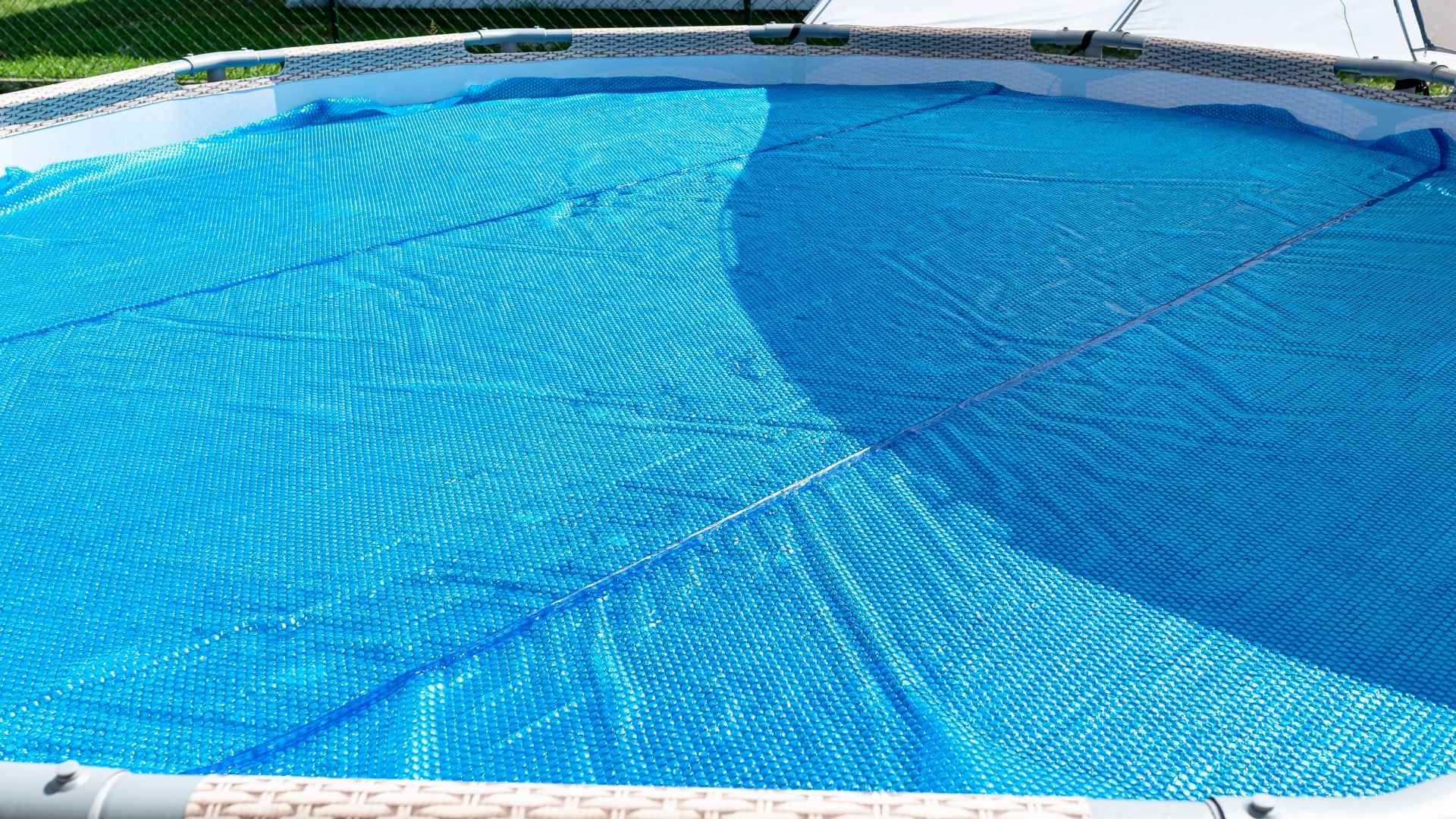
Lowering pool water level 4 to 6 inches below the skimmer throat prevents water from re-entering plumbing lines. Installing a winter pool cover shields the water from autumn leaves and UV degradation. Reviewing a detailed comparison between a pool safety cover vs winter cover helps homeowners select the ideal cover for heavy Canadian snow loads.
Tip
A mesh or solid winter cover will still collect rain and melting snow on top. A submersible cover pump keeps standing water from pooling and freezing into a heavy slab that stresses the cover and the anchors underneath it.
DIY vs Professional Pool Closing Breakdown
Homeowners evaluating whether to handle winterization independently or hire certified technicians should consider the complexity of their plumbing and equipment pads.
| Winterization Factor | DIY Pool Closing | Professional Pool Closing |
| Plumbing Line Blowout | High risk of residual water trapped | Commercial high-volume air blowout guaranteed |
| Chemical Balancing | Requires manual testing and mixing | Precise professional winterizing chemical kit |
| Equipment Protection | Requires owner technical knowledge | Complete pump, filter, and heater drain verification |
| Damage Risk | Moderate risk of frozen pipe splits | Fully backed by professional service warranties |
Homeowners who prefer peace of mind and full equipment warranties often schedule certified Ottawa Valley Pool Closing Services in Ottawa to manage line blowouts, chemical dosing, and safety cover installation safely.
Frequently Asked Questions About Pool Closing
Why is following a pool closing guide important before Ottawa winter?
A structured closing guide ensures plumbing lines, pumps, and pool surfaces are protected from deep freeze damage, water expansion, and off-season algae growth.
What is included in pool closing services?
Standard services include water balancing, debris removal, lowering water levels, draining pumps and heaters, blowing out lines, skimmer freeze protection, and securing winter covers.
How does proper winterization help with opening a pool after winter?
Protecting water quality and plumbing during winter minimizes spring algae blooms, prevents costly pipe repairs, and ensures a seamless process when opening a pool after winter.
Can I close my pool without blowing out the plumbing lines?
Leaving water inside underground Ottawa pool pipes leads to ice expansion and severe subterranean pipe ruptures during sub-zero winter temperatures.
Final Thoughts on Protecting Your Pool for Winter
Following a comprehensive pool closing guide protects your swimming pool from severe winter weather across the Ottawa region. Balancing water chemistry, draining equipment, blowing out lines, and installing a secure cover ensures your investment stays protected. Taking time for proper winter preparation guarantees a simple, clean pool opening when warm sunshine returns next spring.